
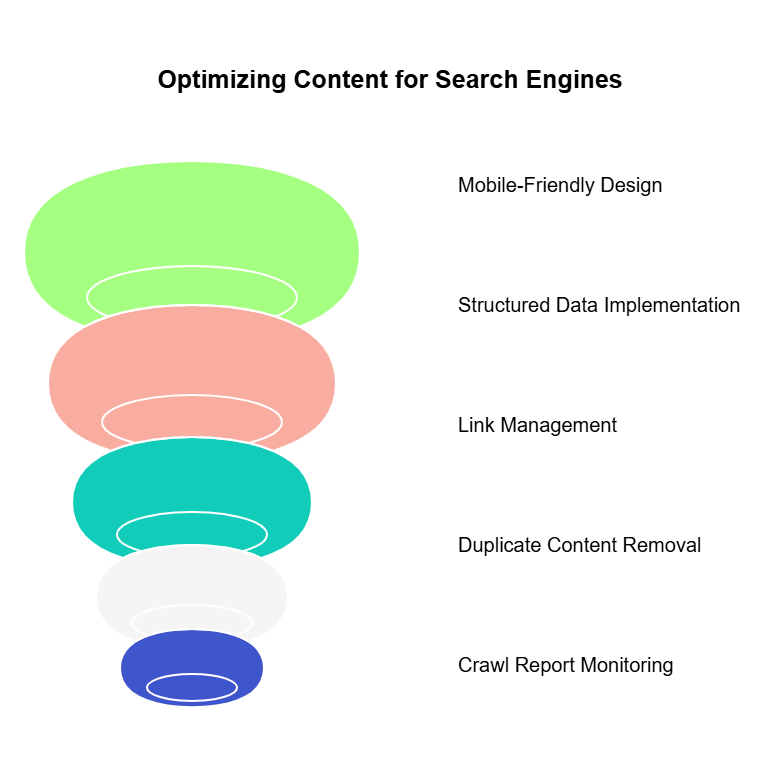
SEO and Content Strategy: A Dynamic Duo for Digital Success
In the ever-evolving landscape of digital marketing, two key components stand out as pillars of success: Search Engine Optimization (SEO) and Content Strategy. When combined effectively, these elements create a powerful synergy that can propel your online presence to new heights.
Search Engine Optimization (SEO)
SEO is the practice of optimizing your website to rank higher in search engine results pages. By strategically incorporating relevant keywords, improving site speed, enhancing user experience, and building quality backlinks, you can increase your visibility and attract more organic traffic.
Effective SEO involves staying abreast of search engine algorithms and trends to ensure your website remains competitive. By conducting thorough keyword research, analysing competitor strategies, and monitoring performance metrics, you can fine-tune your SEO efforts for optimal results.
Content Strategy
Content strategy focuses on creating valuable, engaging content that resonates with your target audience. From blog posts and articles to videos and infographics, compelling content serves as the cornerstone of a successful digital marketing strategy.
By developing a content calendar, identifying relevant topics, maintaining consistency in tone and style, and leveraging multimedia formats, you can establish your brand as an authoritative voice in your industry. Quality content not only attracts visitors but also encourages engagement and fosters brand loyalty.
The Power of Integration
When SEO and content strategy are integrated seamlessly, the results are transformative. By aligning keyword optimization with content creation, you can enhance both visibility and relevance. Engaging content that incorporates targeted keywords not only attracts search engine attention but also resonates with readers.
Furthermore, a well-crafted content strategy can support link-building efforts by attracting natural backlinks from reputable sources. This synergy between SEO and content strategy creates a virtuous cycle of improved search rankings, increased organic traffic, higher conversion rates, and enhanced brand reputation.
In Conclusion
SEO and content strategy are not standalone elements but complementary forces that work in tandem to drive digital success. By prioritizing quality content creation alongside strategic SEO practices, you can establish a robust online presence that captivates audiences and achieves sustainable growth.
15 Key Questions About SEO and Content Strategy Answered
- How do you plan a SEO content strategy?
- What are the 4 pillars of SEO?
- Why is SEO important for content strategy?
- What is the difference between content strategy and SEO strategy?
- What is SEO and content strategy?
- Why SEO is important for content strategy?
- What is SEO content marketing?
- Which is the best strategy SEO or content marketing?
- How do you integrate SEO with your content?
- How do you write a SEO content strategy?
- What is an SEO content strategist?
- What are the top 3 SEO strategies?
- How do I create a content strategy in SEO?
- What are the 4 types of SEO?
- Is content strategy part of SEO?
How do you plan a SEO content strategy?
Planning a successful SEO content strategy involves a strategic approach that combines the principles of search engine optimization with content creation. To begin, conduct thorough keyword research to identify relevant terms and phrases that align with your target audience’s search intent. Next, define your content goals and objectives, ensuring that each piece serves a specific purpose in addressing user needs and driving organic traffic. Develop a content calendar to maintain consistency and plan topics that resonate with your audience while incorporating targeted keywords naturally. Monitor performance metrics regularly to assess the effectiveness of your strategy and make adjustments as needed to maximise visibility and engagement. By integrating SEO best practices with thoughtful content planning, you can create a cohesive strategy that elevates your online presence and connects with your audience effectively.
What are the 4 pillars of SEO?
When delving into the realm of SEO, understanding the four fundamental pillars is crucial for building a strong foundation. The 4 pillars of SEO encompass technical SEO, on-page SEO, off-page SEO, and content strategy. Technical SEO focuses on website structure and performance to ensure optimal crawling and indexing by search engines. On-page SEO involves optimizing individual web pages with relevant keywords, meta tags, and quality content. Off-page SEO pertains to building authoritative backlinks from reputable sources to enhance domain authority. Lastly, content strategy plays a pivotal role in providing valuable and engaging content that resonates with both users and search engines. By mastering these 4 pillars of SEO, businesses can elevate their online visibility and attract organic traffic effectively.
Why is SEO important for content strategy?
In the realm of digital marketing, the question of why SEO is important for content strategy often arises due to their intrinsic connection and mutual benefits. SEO plays a pivotal role in amplifying the reach and visibility of content by ensuring that it is optimised for search engines to index and rank effectively. By incorporating relevant keywords, meta tags, and structured data markup into content creation, SEO enhances its discoverability and accessibility to target audiences. A well-executed SEO strategy not only drives organic traffic to content but also establishes a strong foundation for long-term sustainability and success in the competitive online landscape. Ultimately, the synergy between SEO and content strategy is essential for maximising the impact and effectiveness of digital marketing efforts.
What is the difference between content strategy and SEO strategy?
When exploring the distinction between content strategy and SEO strategy, it’s essential to understand their unique roles in digital marketing. Content strategy focuses on creating valuable, engaging content that resonates with the target audience, establishes brand authority, and encourages user engagement. On the other hand, SEO strategy revolves around optimizing website elements to improve search engine rankings and attract organic traffic. While content strategy prioritizes quality and relevance for human readers, SEO strategy involves technical aspects like keyword research, meta tags optimization, and link building to enhance visibility in search results. Ultimately, content strategy shapes the narrative and voice of a brand, while SEO strategy ensures that this content is discoverable by search engines, highlighting the symbiotic relationship between the two disciplines in achieving digital success.
What is SEO and content strategy?
SEO, short for Search Engine Optimization, is the process of enhancing a website’s visibility in search engine results pages through strategic tactics such as keyword optimization, link building, and user experience improvements. On the other hand, content strategy involves creating and managing valuable, relevant content to attract and engage target audiences. Together, SEO and content strategy form a dynamic duo in digital marketing, combining technical optimisation with compelling storytelling to drive organic traffic, improve search rankings, and establish a strong online presence that resonates with users and search engines alike.
Why SEO is important for content strategy?
In the realm of digital marketing, the question of why SEO is crucial for content strategy often arises due to their intrinsic connection and mutual benefits. SEO plays a pivotal role in enhancing the visibility and discoverability of content by ensuring that it aligns with search engine algorithms and user intent. By incorporating relevant keywords, optimizing meta tags, and improving site structure, SEO not only attracts organic traffic but also guides content creation towards topics that resonate with target audiences. A well-executed SEO strategy complements content strategy by driving traffic, increasing engagement, and ultimately maximising the impact and reach of valuable content assets.
What is SEO content marketing?
SEO content marketing is a strategic approach that combines the principles of Search Engine Optimization (SEO) with the art of content creation to enhance online visibility and engage target audiences. This integrated approach focuses on producing high-quality, relevant content that not only resonates with users but also aligns with search engine algorithms to improve organic search rankings. By incorporating targeted keywords, optimizing meta tags, enhancing user experience, and promoting content across various channels, SEO content marketing aims to attract qualified traffic, drive conversions, and establish brand authority in the digital realm.
Which is the best strategy SEO or content marketing?
When considering the question of whether SEO or content marketing is the superior strategy, it’s essential to recognise that these two elements are not mutually exclusive but rather interdependent components of a successful digital marketing approach. SEO focuses on optimising your website to improve search engine visibility, while content marketing involves creating valuable and engaging content to attract and retain an audience. The best strategy is not to choose between SEO and content marketing but to integrate them effectively. By aligning SEO tactics with high-quality content creation, businesses can maximise their online presence, enhance user experience, and drive organic traffic. Ultimately, the synergy between SEO and content marketing is key to achieving long-term digital success in today’s competitive online landscape.
How do you integrate SEO with your content?
Integrating SEO with your content involves a strategic approach that harmoniously blends keyword optimization with compelling storytelling. Begin by conducting thorough keyword research to identify relevant terms and phrases that resonate with your target audience. Incorporate these keywords naturally into your content, ensuring they enhance rather than disrupt the reader’s experience. Structure your content to be easily scannable by search engines, using headings, meta tags, and alt text to provide context and improve indexing. By aligning SEO best practices with high-quality, engaging content creation, you can maximise visibility, attract organic traffic, and elevate your online presence.
How do you write a SEO content strategy?
Crafting a robust SEO content strategy involves a structured approach that combines keyword research, audience analysis, and content planning. Begin by identifying relevant keywords that align with your target audience’s search intent and incorporate them strategically throughout your content. Conduct thorough research on trending topics and industry-specific themes to ensure your content resonates with your audience. Develop a content calendar outlining key themes, publication schedules, and promotion strategies to maintain consistency and relevance. By integrating SEO best practices with compelling storytelling and valuable insights, you can create a holistic SEO content strategy that not only boosts search visibility but also engages and converts your audience effectively.
What is an SEO content strategist?
An SEO content strategist is a professional who bridges the gap between search engine optimization (SEO) and content strategy. This role involves a deep understanding of both disciplines, combining technical SEO knowledge with creative content planning. An SEO content strategist is responsible for developing comprehensive strategies that not only enhance a website’s visibility in search engine results but also engage and resonate with the target audience. By conducting keyword research, analysing trends, and aligning content creation with SEO best practices, an SEO content strategist plays a pivotal role in driving organic traffic, improving search rankings, and achieving digital marketing objectives effectively.
What are the top 3 SEO strategies?
When it comes to implementing effective SEO strategies, three key tactics stand out as essential for driving organic traffic and improving search engine rankings. Firstly, keyword research and optimization play a crucial role in identifying relevant search terms that align with your content and target audience. By strategically incorporating these keywords into your website’s content, meta tags, and headings, you can enhance visibility and attract qualified traffic. Secondly, building high-quality backlinks from reputable websites not only increases your site’s authority but also signals to search engines the credibility of your content. Lastly, ensuring a seamless user experience through mobile responsiveness, fast loading speeds, and intuitive navigation is paramount for both user engagement and search engine ranking algorithms. By prioritising these three SEO strategies, you can lay a solid foundation for enhancing your online presence and driving sustainable growth.
How do I create a content strategy in SEO?
Creating a content strategy within the realm of SEO involves a strategic approach to developing and optimising content that aligns with your SEO goals. Begin by conducting thorough keyword research to identify relevant terms and phrases that resonate with your target audience and have high search volume. Next, define your content objectives and outline topics that address user intent while incorporating these keywords naturally. Focus on producing high-quality, engaging content that provides value to your audience and encourages interaction. Incorporate on-page SEO elements such as meta tags, headings, and internal links to enhance visibility and crawlability. Regularly monitor performance metrics, adapt your strategy based on insights, and continue refining your content to maintain relevance and drive organic traffic growth. By integrating SEO best practices into your content strategy, you can create a cohesive approach that maximises visibility, engagement, and ultimately, digital success.
What are the 4 types of SEO?
When exploring the realm of SEO and content strategy, a frequently asked question revolves around the classification of SEO into four distinct types. The four primary types of SEO encompass on-page SEO, off-page SEO, technical SEO, and local SEO. On-page SEO focuses on optimizing individual web pages to enhance search engine rankings and user experience. Off-page SEO involves building external links and online reputation to boost site authority. Technical SEO delves into site structure, speed, and indexing to ensure optimal performance. Lastly, local SEO targets geographically specific searches to connect businesses with local customers effectively. Understanding these four types of SEO is crucial for devising a comprehensive digital marketing strategy that maximizes online visibility and engagement.
Is content strategy part of SEO?
In the realm of digital marketing, the relationship between content strategy and SEO is often a topic of discussion. While distinct in their focus, content strategy and SEO are intricately connected elements that work in harmony to enhance online visibility and engagement. Content strategy plays a vital role in SEO by providing the substance that search engines crawl and index for relevance. Well-crafted content not only attracts organic traffic but also supports SEO efforts through strategic keyword integration, user-focused information architecture, and quality backlink opportunities. In essence, content strategy is an integral part of SEO, serving as the foundation upon which effective search engine optimization strategies are built for sustainable online success.