
Best Search Engine Optimisation: A Practical Guide to Growing Your Visibility
The best search engine optimisation (SEO) is not a quick fix or a collection of tricks. It is a long-term approach to making your website useful, accessible and easy for search engines to understand. When SEO is done well, it helps the right people find your business through relevant search results.
There is no single strategy that works for every website. The right approach depends on your audience, industry, goals and current online presence. However, the strongest SEO programmes tend to share a few essentials: a sound technical foundation, valuable content, clear website structure and a focus on what visitors actually need.
What does good SEO involve?
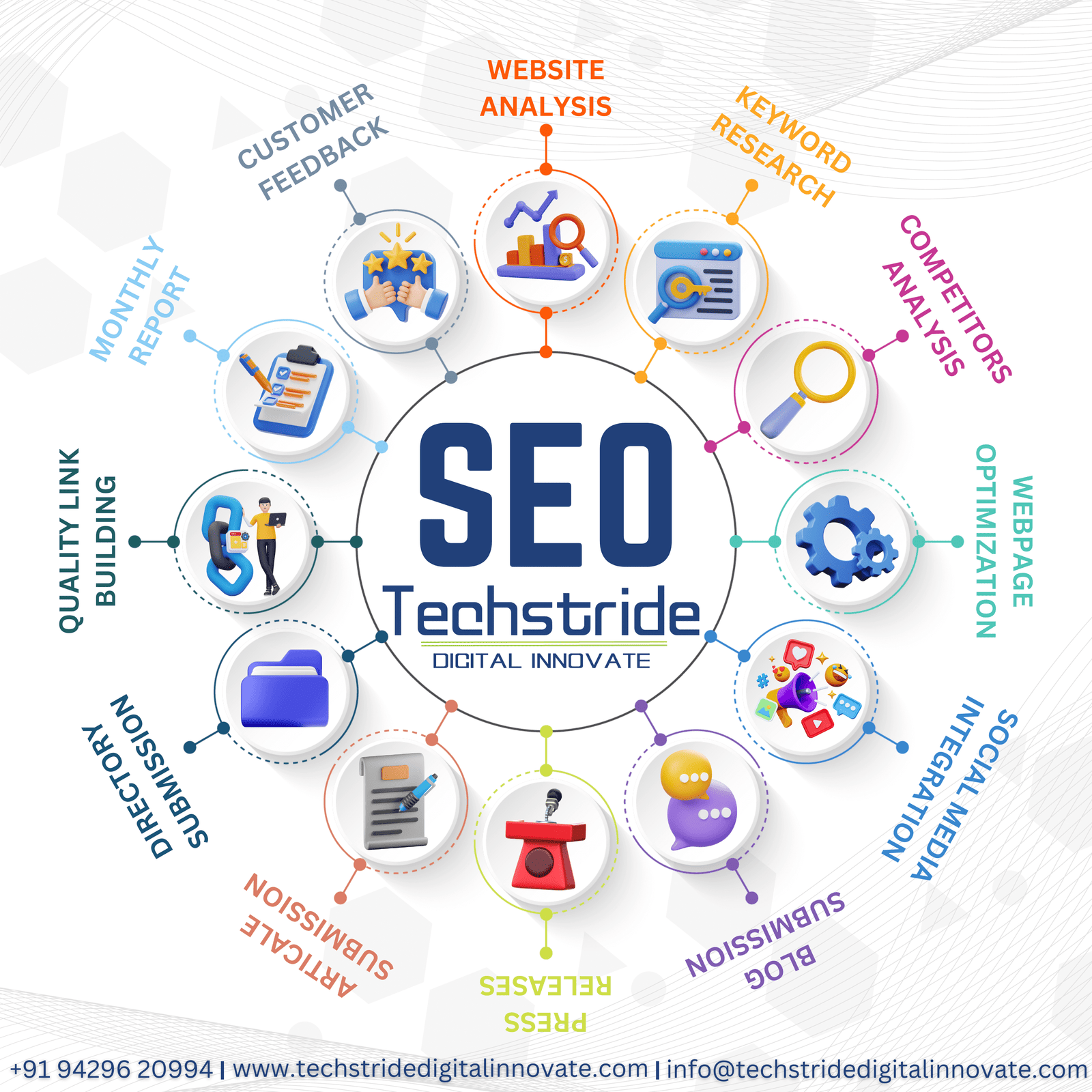
SEO brings together several areas of work. These include improving the content and structure of your pages, helping search engines crawl and understand your site, and building your website’s reputation through relevant mentions and links from other sites.
- Technical SEO: making sure your website can be crawled, indexed and used effectively.
- On-page SEO: improving page titles, headings, internal links and content relevance.
- Content strategy: creating helpful pages that answer real questions and meet search intent.
- Off-page SEO: earning credible links and mentions that support your site’s authority.
- Measurement: tracking meaningful results and using them to guide improvements.
Start with your audience and search intent
Effective SEO begins with understanding what potential customers are looking for. A person searching for general advice may need an informative guide, while someone comparing providers may be looking for pricing, reviews or a service page.
Research relevant search terms, but do not choose keywords on search volume alone. Consider whether each term reflects your services, whether you can create a useful page for it and what kind of result the searcher is likely to expect. Group related searches by topic and give each important page a clear purpose.
Create content that genuinely helps
Search engines aim to show useful results. Your content should therefore be written for people first: answer the question clearly, explain important details and make the next step easy to find. Avoid repeating phrases simply to influence rankings.
Before creating a new page, review the existing results for your topic. Look for gaps you can address, such as missing practical advice, unclear explanations or a lack of local information. Use accurate facts, keep content up to date and make your expertise clear where it is relevant.
Build a strong technical foundation
Even excellent content can struggle if a website is difficult to access or understand. Check that important pages can be crawled and indexed, that your site uses HTTPS and that there are no broken links or confusing duplicate pages.
Mobile usability and page performance also matter to visitors. Make sure your website works well on different screen sizes, loads reliably and has readable text and straightforward navigation. Use descriptive page titles and headings, and provide concise alternative text for images where it helps explain their meaning.
Make your website easy to navigate
A clear structure helps people find information and helps search engines understand how pages relate to one another. Organise content into logical sections, use descriptive URLs and link between related pages where it is useful to the reader.
Internal links should explain what a visitor will find on the destination page. A well-planned structure can also help important pages receive more visibility across your website.
Earn trust and relevant links
Links from other websites can help people discover your content and may contribute to your site’s reputation. Focus on earning relevant links naturally by publishing useful resources, sharing original research or building genuine relationships within your industry.
Avoid buying links or using schemes designed to manipulate search rankings. These tactics can put your website at risk and rarely provide lasting value. Quality and relevance are more important than chasing a large number of links.
Measure progress with meaningful metrics
Rankings can be useful to monitor, but they are only one part of the picture. Review organic visits, enquiries, sales, engagement and the performance of important landing pages. Compare results over time and consider factors such as seasonality, changes to your website and shifts in demand.
Use analytics and search performance tools to identify pages that are gaining visibility, searches that are bringing visitors to your site and areas where users may be leaving without taking action. Make changes based on evidence, then give them time to produce results.
Common SEO mistakes to avoid
- Choosing keywords that do not match your services or audience.
- Publishing large amounts of thin or repetitive content.
- Ignoring technical issues, mobile usability or page performance.
- Using misleading titles or making promises a page does not fulfil.
- Expecting immediate results from a long-term marketing channel.
- Judging success by rankings alone rather than business outcomes.
How to choose an SEO agency
If you are considering professional support, look for an agency that takes time to understand your business and explains its recommendations clearly. Ask how it measures success, what work it plans to carry out and how often it will report on progress.
Be cautious of guaranteed rankings, secret methods or promises of immediate results. A reputable SEO partner should be transparent about its approach, realistic about timescales and willing to connect its work to your business objectives.
Final thoughts
The best search engine optimisation is a consistent process, not a one-off task. Understand your audience, create genuinely useful content, maintain a technically sound website and measure the results that matter to your organisation. With a clear strategy and regular improvements, SEO can help build sustainable visibility and attract more relevant visitors over time.
Top 15 FAQs About the Best Search Engine Optimisation Tools and Strategies
- Is there any software for SEO?
- Can I do SEO by my self?
- What is the most accurate SEO tool?
- What is the best search engine optimization SEO tool?
- Which SEO tool is most accurate?
- Which SEO tool is the best?
- What are SEO tools?
- What is the best SEO tool in 2020?
- Which platform is better for SEO?
- Can SEO be done for free?
- Which is the best search engine optimization?
- What is the best search engine optimization strategy?
- What are the 4 types of SEO?
- What is the best SEO tool in 2022?
- What are the top 3 SEO strategies?
Is there any software for SEO?
Yes, there are many SEO software tools that can help with keyword research, website audits, rank tracking, backlink analysis and performance reporting. Some offer a free version or trial, while others require a subscription. The right tool depends on your goals and experience, and software should support—not replace—a well-planned SEO strategy and useful content.
Can I do SEO by my self?
Yes, you can do SEO yourself, especially if you have the time to learn and make regular improvements. Start by understanding what your audience is searching for, creating helpful content, improving page titles and headings, making your website easy to use on mobiles, and checking its performance with tools such as Google Search Console. SEO takes time, and technical issues or competitive markets can make it more challenging, so you may wish to seek professional support as your needs grow.
What is the most accurate SEO tool?
There is no single most accurate SEO tool, as accuracy depends on what you are measuring. Google Search Console is the best source for data on your website’s impressions, clicks and indexing in Google, while tools such as Ahrefs, Semrush and Moz provide useful estimates for keyword rankings, search volumes and backlinks. These third-party figures can differ because each platform uses its own data and methods, so treat them as guides rather than exact measurements. For the clearest picture, combine relevant tools and compare their insights with your website’s actual performance.
What is the best search engine optimization SEO tool?
There is no single best SEO tool for every business; the right choice depends on your goals, budget and experience. Tools such as Google Search Console and Google Analytics are useful starting points for monitoring search performance and website activity, while platforms such as Ahrefs, Semrush and Moz offer features for keyword research, competitor analysis, backlink checks and site audits. Compare tools based on the tasks you need to carry out, how easy they are to use and whether their data supports better decisions.
Which SEO tool is most accurate?
No single SEO tool is the most accurate for every task, as tools use different data sources and estimation methods. For your own website’s impressions, clicks and search queries, Google Search Console is the most reliable source; for keyword research, backlink analysis and competitor estimates, platforms such as Ahrefs and Semrush can be useful, but their figures are directional rather than exact. Choose a tool based on what you need to measure, and compare its insights with your own website data.
Which SEO tool is the best?
There is no single SEO tool that is best for everyone: the right choice depends on your goals, budget and experience. Google Search Console and Google Analytics are useful starting points for monitoring search performance and website traffic, while tools such as Ahrefs, Semrush and Screaming Frog offer more advanced keyword research, backlink analysis and technical audits. Compare features, ease of use and pricing, and choose tools that help you make informed decisions rather than relying on any one platform to guarantee rankings.
What are SEO tools?
SEO tools are software platforms that help you plan, manage and measure search engine optimisation. They can support tasks such as researching keywords, checking website health, finding broken links, analysing competitors, monitoring search rankings and reviewing backlinks. Some tools also help you understand how visitors find and use your website. SEO tools can make it easier to spot opportunities and track progress, but they do not replace a clear strategy, reliable data or useful content created for your audience.
What is the best SEO tool in 2020?
There was no single “best” SEO tool in 2020, as the right choice depended on your goals and budget. Google Search Console was an essential free option for monitoring search performance and indexing, while Ahrefs and SEMrush offered broader paid features for keyword research, competitor analysis and backlink tracking. For technical website audits, Screaming Frog SEO Spider was also a popular choice.
Which platform is better for SEO?
There is no single platform that is best for SEO; the right choice depends on your website, technical skills, budget and plans for growth. Platforms such as WordPress offer flexibility and control, while hosted options such as Shopify or Wix can make setup and maintenance simpler. Before choosing, check that the platform lets you manage page titles, meta descriptions, URLs, redirects, mobile layouts, site speed and structured data. Ultimately, a well-built, regularly maintained website with useful content can perform well on any platform that supports these essentials.
Can SEO be done for free?
Yes, SEO can be done for free, especially if you manage your own website and are willing to invest time. You can research search terms, improve page titles and content, fix basic website issues and use free tools such as Google Search Console to monitor performance. However, SEO takes ongoing effort, and some businesses choose to pay for specialist tools or professional support when they need more advanced analysis or help implementing a strategy.
Which is the best search engine optimization?
There is no single best search engine optimisation (SEO) solution for every business. The right approach depends on your goals, audience, industry and website, but effective SEO generally combines helpful, relevant content, a technically sound website, clear site structure and trustworthy links. Choose strategies that serve users and support measurable business results, and be wary of providers promising instant rankings or guaranteed positions.
What is the best search engine optimization strategy?
The best search engine optimisation strategy is one built around your audience and business goals. Start by researching what potential customers are searching for, then create helpful, accurate content that meets their needs. Support it with a technically sound, mobile-friendly website, clear navigation, descriptive page titles and relevant internal links. Earn trust through useful resources and genuine mentions from reputable websites, and track progress using metrics such as organic traffic, enquiries and sales—not rankings alone. SEO takes time, so review results regularly and refine your approach as your audience and search behaviour change.
What are the 4 types of SEO?
The four main types of SEO are on-page, off-page, technical and local SEO. On-page SEO improves elements on your website, such as content, headings and page titles. Off-page SEO builds your site’s reputation through relevant links and mentions from other websites. Technical SEO helps search engines crawl and index your pages, while supporting a fast, accessible user experience. Local SEO helps businesses appear in searches connected to a particular area, often through local listings and location-specific information. The right mix depends on your business, audience and goals.
What is the best SEO tool in 2022?
There was no single best SEO tool in 2022, as the right choice depended on your needs and budget. Google Search Console was an essential free option for monitoring search performance and indexing, while Ahrefs and Semrush offered broader paid features for keyword research, competitor analysis and backlink tracking. For technical site audits, Screaming Frog SEO Spider was also a popular choice. A combination of tools often provided the clearest overall picture.
What are the top 3 SEO strategies?
The top three SEO strategies are creating high-quality content that matches what your audience is searching for, improving your website’s technical health and usability, and earning relevant, trustworthy links from other websites. Together, these approaches help search engines understand your pages, provide a better experience for visitors and build your site’s credibility. The best results come from applying them consistently and measuring progress against meaningful goals, such as qualified traffic, enquiries or sales.