
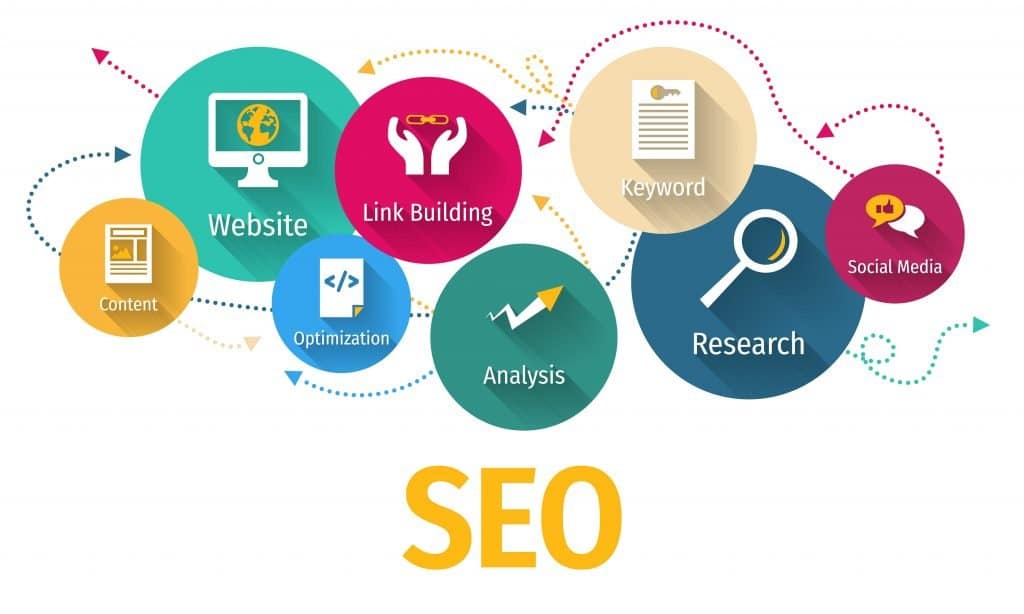
Internet Marketing and SEO Services: Building a Stronger Online Presence
For businesses of every size, being easy to find online can make a real difference. Internet marketing helps organisations reach the right people across digital channels, while search engine optimisation (SEO) helps improve a website’s visibility in unpaid search results. Used together, they can support sustainable growth, attract relevant visitors and turn interest into enquiries or sales.
What is internet marketing?
Internet marketing is the promotion of a business, product or service through online channels. Depending on the organisation’s goals and audience, it may include:
- Search engine optimisation
- Paid search advertising
- Content marketing
- Social media marketing
- Email campaigns
- Website design and conversion optimisation
These channels can work independently, but they are often more effective when planned as part of a joined-up strategy. For example, a useful article can attract visitors through search, support a social media campaign and provide information for an email newsletter.
Why SEO matters
Search engines help people find answers, compare options and discover businesses. SEO is the process of improving a website so that search engines can understand its pages and users can find the information they need.
SEO is not simply about adding keywords to a page. A considered approach looks at the website as a whole, including its content, structure, technical performance and reputation. The aim is to make pages relevant and useful for both visitors and search engines.
What do SEO services include?
SEO audits and research
An SEO audit can identify issues that may affect a website’s visibility or usability. Research can also help clarify what potential customers are searching for, how competitive the market is and which topics are most relevant to the business.
On-page optimisation
On-page SEO focuses on the content and elements of individual pages. This may involve improving page titles, headings, internal links and descriptions, as well as making sure the content clearly answers the reader’s questions.
Technical SEO
Technical SEO addresses how a website is built and accessed. Areas to review may include mobile usability, page speed, crawlability, indexing, site structure and security. Resolving technical problems can make it easier for search engines to process a site and for visitors to use it.
Content strategy
Good content gives people a reason to visit and helps establish a clear understanding of a business’s expertise. A content strategy can set out which pages or articles to create, who they are for and how they support the organisation’s wider objectives.
Local SEO
For businesses serving a particular area, local SEO can help improve visibility for relevant searches nearby. This may include maintaining accurate business details, improving local landing pages and managing business listings and customer reviews.
How internet marketing and SEO work together
SEO can help attract visitors who are actively looking for information, products or services. Other forms of internet marketing can increase awareness, reach new audiences and encourage people to return. Together, these activities can create a more consistent customer journey, from first discovery to enquiry or purchase.
For instance, paid advertising can help promote a new offer while a longer-term SEO programme builds organic visibility. Analytics can then show which channels are bringing relevant visitors and where the website experience could be improved.
Choosing the right services
The right approach depends on a business’s goals, audience, budget and current online presence. Before choosing a service, consider:
- Which outcomes matter most, such as enquiries, online sales or brand awareness
- Whether the service provider explains its methods clearly
- How progress will be measured and reported
- Whether recommendations are tailored to the business
- How the work will fit with existing marketing activity
SEO is a long-term activity, and results can vary according to competition, website history and the work involved. Be cautious of guarantees of specific rankings or overnight success. Clear objectives, realistic expectations and regular communication are more useful foundations for a productive partnership.
Measuring progress
Rankings can be one indicator of SEO performance, but they should not be viewed in isolation. Businesses may also monitor organic traffic, relevant enquiries, sales, engagement and the performance of important landing pages. The most useful measures are those that connect marketing activity to the organisation’s actual goals.
Invest in a strategy that serves your audience
Effective internet marketing starts with understanding the people a business wants to reach. By combining useful content, a technically sound website and well-chosen promotional channels, organisations can build a stronger online presence over time. SEO services can support that process by helping the right people discover the right pages—and by making the website more helpful once they arrive.
Essential Tips for Effective Internet Marketing and SEO Success
- Set clear goals for every campaign.
- Research keywords your customers use.
- Create useful, original website content.
- Make pages fast and mobile-friendly.
- Earn links from reputable websites.
- Track results and refine your SEO strategy.
Set clear goals for every campaign.
Set clear goals for every internet marketing and SEO campaign before work begins. Decide what success means for your business, whether that is more qualified website visits, sales, enquiries or greater brand awareness. Specific, measurable goals help you choose the right channels, focus your budget and track progress over time. Review performance regularly and adjust your approach when the results show an opportunity to improve.
Research keywords your customers use.
Research the words and phrases your customers use when searching online for products, services or answers. Keyword research can reveal what your audience needs, the questions they ask and how they describe their problems. Use these insights to shape useful website pages, articles and campaign messages, rather than simply adding popular terms wherever they fit. Focus on relevant phrases that match your business and the intent behind each search, so the right people are more likely to find helpful content.
Create useful, original website content.
Create useful, original website content that answers your audience’s questions and offers genuine value. Clear, well-researched pages can build trust, encourage visitors to stay and help search engines understand what your website is about. Focus on your readers rather than simply repeating keywords, and keep information accurate, relevant and up to date.
Make pages fast and mobile-friendly.
Make your website fast and mobile-friendly to give visitors a better experience and support your SEO efforts. Pages that load quickly help people find information without delay, while a responsive design makes content easy to read and use on phones and tablets. Compressing images, reducing unnecessary scripts and testing pages on different devices can all help improve performance. Because many people browse and search on mobile, a smooth mobile experience can also make it easier for potential customers to engage with your business.
Earn links from reputable websites.
Earn links from reputable websites by creating useful, original content that others genuinely want to reference. These links can help search engines understand your site’s credibility and may bring relevant visitors, too. Focus on building genuine relationships with respected organisations, industry publications and trusted local businesses, and consider contributing expert insights where appropriate. Avoid buying links or using schemes designed to manipulate rankings; these can damage your site’s reputation and may lead to search engine penalties.
Track results and refine your SEO strategy.
Track the results of your SEO activity regularly to understand what is working and where improvements are needed. Monitor meaningful measures such as organic traffic, search visibility, enquiries and sales, rather than relying on rankings alone. Use these insights to refine your content, keywords and website experience, and adjust your strategy as customer needs and search trends change.