
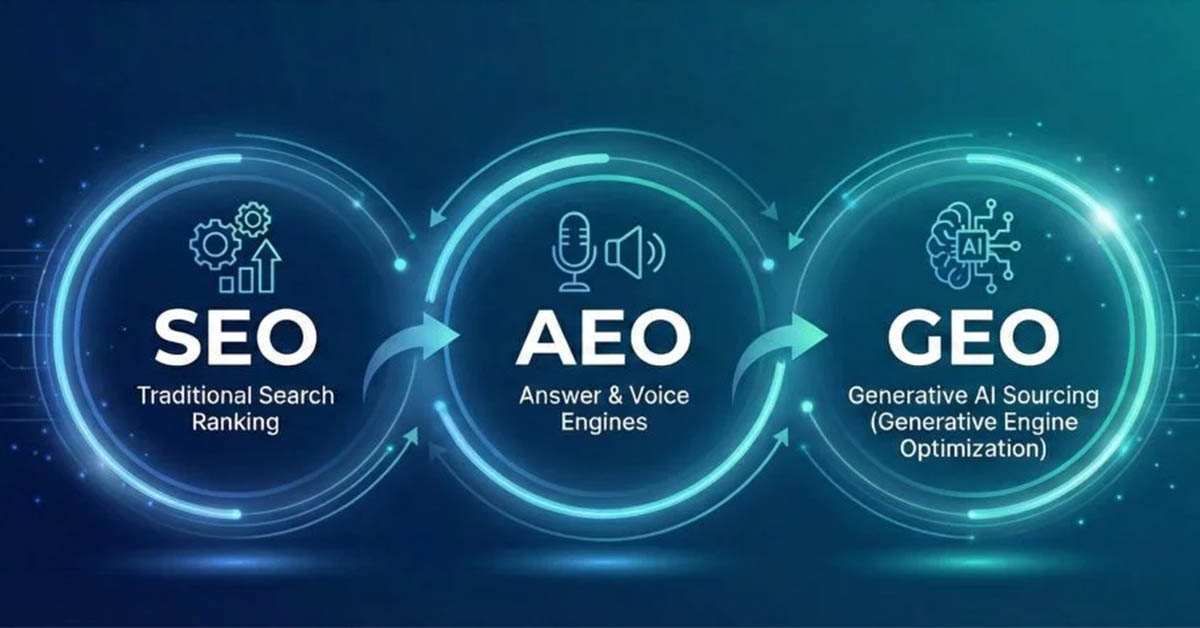
Web Marketing and Search Engine Optimisation: A Practical Guide
Web marketing helps businesses reach people online, attract potential customers and build lasting relationships. Search engine optimisation (SEO) is an important part of this work. It helps a website appear in relevant, unpaid search results, making it easier for people to find useful information, products or services.
SEO is most effective when it is treated as part of a wider web marketing strategy—not as a quick fix or a collection of keywords. A well-planned approach brings together helpful content, a technically sound website and a clear understanding of what an audience needs.
What is search engine optimisation?
Search engines such as Google aim to show results that are relevant, reliable and useful to the person searching. SEO involves improving a website so that search engines can understand its pages and visitors can use them easily.
There is no guaranteed way to secure a particular ranking. Search results change over time, and search engines use many signals to assess pages. SEO is therefore an ongoing process of research, improvement and evaluation.
How SEO supports web marketing
Web marketing includes the different ways a business communicates and promotes its offering online. These may include SEO, paid search advertising, social media, email marketing and online public relations. Each channel can serve a different purpose, but they work best when they support consistent business goals and messaging.
SEO can contribute to web marketing by helping a business:
- Reach people who are actively looking for relevant information or services.
- Increase visibility in unpaid search results.
- Build trust by publishing clear, useful and accurate content.
- Improve the experience of visitors arriving at the website.
- Understand audience interests through search and website data.
Key parts of an SEO strategy
Understand your audience and their searches
Begin by identifying the questions, needs and problems your audience has. Keyword research can show the words and phrases people use when searching, but it should be used to understand their intent—not simply to add popular terms to a page.
For example, someone searching for general advice may be at an early stage of research, while someone looking for a specific service may be ready to compare providers. Content should match the purpose behind the search.
Create useful, original content
Good content answers real questions clearly and accurately. It may take the form of service pages, guides, articles, product information or frequently asked questions. Each page should have a clear purpose and provide value beyond repeating information already available elsewhere.
Use plain language, descriptive headings and a logical structure. Include relevant search terms naturally, but prioritise the reader. Pages written mainly to manipulate rankings can be unhelpful and may not perform well over time.
Make the website easy to use
A website should be straightforward to navigate on desktop and mobile devices. Visitors should be able to find key information, understand what to do next and complete important tasks without unnecessary friction.
Clear menus, readable text, accessible design and useful calls to action all contribute to a better experience. Page speed and mobile usability also matter, particularly for people browsing on a slower connection or a smaller screen.
Address technical SEO
Technical SEO helps search engines discover, crawl and interpret a website. Common areas to review include:
- Page loading performance and mobile compatibility.
- Secure connections using HTTPS.
- Clear site structure and descriptive URLs.
- Accurate page titles and meta descriptions.
- XML sitemaps and appropriate robots.txt settings.
- Broken links, duplicate pages and redirect issues.
- Structured data where it accurately describes page content.
Technical changes should be tested carefully. A small configuration error can prevent important pages from appearing in search results or make a website harder to use.
Build reputation and relevant links
When reputable websites link to your pages, those links can help people discover your content and may contribute to your site’s authority. Focus on earning relevant links through useful resources, genuine partnerships, newsworthy work and strong relationships in your industry.
Avoid buying links or using schemes designed to manipulate rankings. These approaches can put a website’s search visibility at risk and rarely provide lasting value.
Measure performance and keep improving
SEO results take time, so regular measurement is important. Useful indicators may include organic visits, search impressions, clicks, keyword visibility, enquiries, sales and other meaningful actions. The right measures depend on what the website is intended to achieve.
Use analytics and search performance tools to identify which pages attract visitors, what people search for and where users leave the website. These insights can guide improvements to content, navigation and conversion paths. Rankings alone are not a complete measure of success: attracting the right visitors and helping them achieve their goals matters too.
Common SEO mistakes to avoid
- Writing for search engines rather than people.
- Repeating keywords unnaturally throughout a page.
- Publishing large amounts of thin or duplicate content.
- Ignoring mobile users and website accessibility.
- Expecting immediate results or guaranteed rankings.
- Making major website changes without checking their impact.
- Measuring traffic without considering leads, sales or other outcomes.
SEO as a long-term marketing investment
Search engine optimisation is not a one-off task. Search behaviour, competitors and websites change, so a successful strategy needs regular attention. By combining audience research, valuable content, technical improvements and careful measurement, businesses can make their websites more discoverable and useful.
As part of a broader web marketing plan, SEO can support sustainable online growth. The strongest approach is practical and user-focused: understand what people need, provide a helpful answer and make it easy for them to take the next step.
7 Essential SEO Tips to Improve Your Website’s Search Rankings
- Research keywords your audience actually uses.
- Write clear, useful page titles.
- Create helpful, original content.
- Use descriptive headings and URLs.
- Make your website fast and mobile-friendly.
- Add relevant links between your pages.
- Track search performance and refine your strategy.
Research keywords your audience actually uses.
Research the keywords your audience actually uses by looking at the questions they ask, the language they use and the problems they want to solve. Search suggestions, customer enquiries and keyword research tools can help reveal these phrases and the intent behind them. Use your findings to shape useful pages and content, including relevant terms naturally rather than forcing them in. This helps your website connect with the right people and gives search engines a clearer understanding of what each page offers.
Write clear, useful page titles.
Write clear, useful page titles that tell people—and search engines—what each page is about. Keep them concise, specific and relevant to the page content, placing the most important information near the beginning. A well-written title can help your page stand out in search results and encourage the right visitors to click. Avoid vague wording, unnecessary repetition and titles that promise more than the page delivers.
Create helpful, original content.
Create helpful, original content that answers your audience’s questions and offers genuine value. Use clear, accurate information, organise it with descriptive headings and write in a natural tone. Include relevant search terms where they fit, but avoid keyword stuffing or simply repeating what other websites have said. Content made for people is more likely to earn trust, encourage engagement and support long-term search visibility.
Use descriptive headings and URLs.
Use descriptive headings and URLs to help visitors and search engines understand what each page is about. Headings should organise the content clearly, while a concise URL should reflect the page topic using readable words rather than a string of numbers or symbols. For example, “/seo-guide” is clearer than “/page?id=42”. Keep both accurate and natural, and avoid cramming in keywords: clarity for your audience should come first.
Make your website fast and mobile-friendly.
A fast, mobile-friendly website makes it easier for visitors to find what they need, whether they are browsing on a phone, tablet or computer. Compress images, reduce unnecessary code and choose reliable hosting to improve loading times, then check that pages, menus and forms work well on smaller screens. A smoother experience can keep visitors engaged and support your search engine optimisation, as search engines aim to surface pages that are useful and accessible.
Add relevant links between your pages.
Add relevant links between pages on your website to help visitors discover useful related information and move naturally through their journey. These internal links also help search engines understand how your pages relate to one another and which content is important. Use clear, descriptive link text that tells readers what to expect, and only link where it genuinely adds value. Avoid overloading pages with links or using vague phrases such as “click here”.
Track search performance and refine your strategy.
Track your search performance regularly to understand which pages attract visitors, what people are searching for and where there is room to improve. Use tools such as Google Search Console and website analytics to monitor impressions, clicks, organic traffic and meaningful outcomes, such as enquiries or sales. Look for patterns rather than reacting to short-term changes, then refine your strategy by updating useful content, improving underperforming pages and addressing technical issues. Regular, evidence-led adjustments help keep your SEO work aligned with your audience and business goals.