
The Power of Google Local Search Engine Optimization
In today’s digital age, having a strong online presence is crucial for businesses looking to attract local customers. One powerful tool that can significantly boost your visibility in local searches is Google Local Search Engine Optimization (SEO).
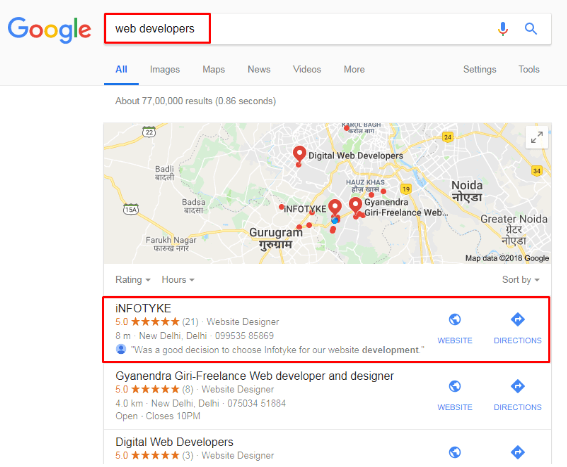
Google Local SEO focuses on optimising your online presence to improve your visibility in Google’s local search results. When potential customers in your area search for products or services you offer, Google Local SEO helps ensure that your business appears prominently in their search results.
Key Benefits of Google Local SEO:
- Increased Visibility: By optimising your website and online profiles for local keywords and location-based terms, you can increase your visibility in local search results.
- Targeted Traffic: Google Local SEO helps attract highly targeted traffic from users who are actively seeking products or services in your area.
- Improved Credibility: A strong presence in local search results can enhance your credibility and trustworthiness among local customers.
- Higher Conversion Rates: When your business appears prominently in local search results, you are more likely to attract qualified leads who are ready to make a purchase.
Effective Strategies for Google Local SEO:
- Optimise Your Google My Business Profile: Ensure that your business information, such as name, address, phone number, and opening hours, is accurate and up-to-date on Google My Business.
- Create Location-Specific Content: Develop content that is tailored to your local audience and includes relevant keywords related to your location.
- Build Citations and Backlinks: Get listed on online directories and websites that mention your business name, address, and phone number (NAP). Backlinks from reputable sources can also boost your local SEO efforts.
- Solicit Customer Reviews: Encourage satisfied customers to leave positive reviews on platforms like Google My Business. Reviews play a significant role in local search rankings.
In conclusion, investing time and resources into Google Local SEO can yield significant benefits for businesses looking to target local customers. By implementing effective strategies and staying up-to-date with the latest trends in local search optimisation, you can enhance your online visibility and attract valuable leads from your community.
Comprehensive Guide to Google Local SEO: Addressing 22 Frequently Asked Questions
- How do I use Google local SEO?
- How do I optimize Google for business for local SEO?
- Is local SEO free?
- Is local SEO paid?
- How is local SEO different from SEO?
- What is local SEO vs SEO?
- How does Google use search engine optimization?
- Does local SEO work?
- Is it worth paying for local SEO optimization?
- What are the 3 types of SEO?
- How to do local SEO in 2022?
- How do I optimize for local search?
- Is local SEO effective?
- How does Google local SEO work?
- Does local do SEO?
- What are the 4 types of SEO?
- What is local SEO vs traditional SEO?
- How do I optimize local SEO?
- How to do local SEO on Google?
- What is the difference between SEO and local SEO?
- What is gmb local SEO?
- Is Google local ads worth it?
How do I use Google local SEO?
To effectively utilise Google Local SEO, businesses can start by claiming and optimising their Google My Business profile. This involves providing accurate business information, such as name, address, phone number, and opening hours. Creating location-specific content with relevant keywords can also help improve visibility in local searches. Building citations and backlinks from reputable sources, as well as encouraging positive customer reviews on platforms like Google My Business, are essential strategies to enhance local SEO efforts. By implementing these tactics and staying engaged with the latest trends in local search optimisation, businesses can maximise their online presence and attract targeted traffic from local customers searching for products or services they offer.
How do I optimize Google for business for local SEO?
To optimise Google My Business for local SEO, start by claiming and verifying your business listing on the platform. Ensure that all your business information, including name, address, phone number (NAP), and website URL, is accurate and consistent across all online platforms. Utilise relevant keywords in your business description and posts to improve visibility in local searches. Encourage satisfied customers to leave positive reviews on your Google My Business profile as they can boost your local search rankings. Regularly update your business hours, services offered, and images to provide up-to-date information to potential customers searching for local businesses like yours. By following these steps and staying active on Google My Business, you can enhance your online presence and attract more local customers to your business.
Is local SEO free?
When it comes to local SEO, the question of whether it is free often arises among businesses looking to enhance their online presence. While the concept of local SEO itself is not a paid service, implementing effective strategies to optimise your business for local searches may involve some costs. For instance, creating and maintaining a Google My Business profile is free, but investing in services such as content creation, website optimisation, and online advertising to boost your local visibility may require a budget. Ultimately, while local SEO can be pursued through various free tactics, achieving significant results often involves a strategic investment in resources tailored to your business’s specific needs and goals.
Is local SEO paid?
One frequently asked question regarding Google Local Search Engine Optimization is, “Is local SEO paid?” The answer is that local SEO itself is not a paid service provided by search engines like Google. Instead, local SEO involves implementing strategies to improve your website’s visibility in local search results organically. While you can invest in paid advertising options such as Google Ads to enhance your local visibility, the core principles of local SEO focus on optimising your online presence through techniques like keyword targeting, content creation, and local business listings to improve your ranking in local search results without direct payment to search engines.
How is local SEO different from SEO?
Local SEO and SEO share the common goal of improving a website’s visibility in search engine results, but they focus on different scopes. Local SEO specifically targets local businesses aiming to attract customers in a specific geographic area. It emphasises location-based keywords, Google My Business optimisation, and local citations to enhance visibility in local search results. On the other hand, traditional SEO aims to improve a website’s overall visibility on a broader scale, regardless of location. While both types of SEO involve strategies like keyword research and content optimisation, local SEO is tailored to target audiences seeking products or services within a specific vicinity, making it essential for businesses looking to connect with local customers effectively.
What is local SEO vs SEO?
Local SEO and SEO (Search Engine Optimization) are two distinct approaches to improving a website’s visibility in search engine results. While SEO focuses on enhancing a website’s visibility on a global scale, local SEO specifically targets local audiences by optimising the website for location-based searches. Local SEO involves strategies such as creating location-specific content, optimising Google My Business profiles, building citations, and soliciting customer reviews to improve a business’s visibility in local search results. In contrast, traditional SEO encompasses broader tactics aimed at improving a website’s overall search engine ranking, regardless of geographical location. Understanding the differences between local SEO and SEO is essential for businesses looking to attract both global and local customers effectively.
How does Google use search engine optimization?
When it comes to Google’s approach to search engine optimization (SEO), the search engine giant utilises a complex algorithm that considers numerous factors to determine the relevance and quality of web pages. Google uses SEO to rank websites based on their content, user experience, backlinks, and many other criteria. By constantly refining its algorithms and guidelines, Google aims to provide users with the most accurate and valuable search results possible. Understanding how Google uses SEO is essential for businesses and website owners looking to improve their online visibility and attract organic traffic from search engines.
Does local SEO work?
When businesses ponder the effectiveness of local SEO, the resounding answer is yes – local SEO does work. By focusing on optimising your online presence to target local audiences, local SEO can significantly boost your visibility in search engine results. Through strategic implementation of location-specific keywords, accurate business information on platforms like Google My Business, and a strong emphasis on customer reviews and citations, businesses can experience increased website traffic, higher conversion rates, and improved credibility among local customers. With the right approach and ongoing commitment to local SEO strategies, businesses can harness the power of local search engine optimisation to drive growth and success in their target market.
Is it worth paying for local SEO optimization?
When considering whether to invest in paid local SEO optimization services, businesses often weigh the potential benefits against the cost. While there are no guarantees of immediate results, paying for local SEO can be worth it in the long run. Professional SEO services can help improve your online visibility, attract targeted local traffic, and enhance your credibility among local customers. By employing proven strategies and leveraging expertise in the field, paid local SEO optimisation can yield tangible results that drive business growth and generate a solid return on investment over time.
What are the 3 types of SEO?
When it comes to Search Engine Optimization (SEO), there are primarily three types that businesses and website owners should be aware of. The first type is On-Page SEO, which involves optimizing individual web pages to improve their search engine rankings and attract organic traffic. The second type is Off-Page SEO, which focuses on activities outside the website itself to enhance its authority and relevance in search engine results. Lastly, there is Technical SEO, which involves optimizing the technical aspects of a website to improve its crawling and indexing by search engines. Understanding and implementing these three types of SEO strategies can significantly impact a website’s visibility and performance in search engine results pages.
How to do local SEO in 2022?
In 2022, mastering local SEO requires a strategic approach that aligns with the latest trends and algorithms. To excel in local SEO this year, businesses should focus on optimising their Google My Business profile with accurate and detailed information, including location-specific keywords. Creating high-quality, location-relevant content that resonates with the target audience is essential for boosting visibility in local search results. Building citations from reputable sources and earning backlinks from local websites can further enhance a business’s online presence. Engaging with customers to generate positive reviews and feedback is crucial for establishing credibility and trustworthiness in the eyes of both Google and potential customers. By staying informed about evolving local SEO practices and implementing a comprehensive strategy tailored to the unique needs of their target market, businesses can navigate the digital landscape successfully in 2022.
How do I optimize for local search?
To optimise for local search and improve your visibility in Google’s local search results, there are several key strategies you can implement. Start by ensuring that your Google My Business profile is complete and accurate, including your business name, address, phone number, and operating hours. Create location-specific content on your website that incorporates relevant local keywords. Building citations and backlinks from reputable sources can also boost your local SEO efforts. Encourage satisfied customers to leave positive reviews on platforms like Google My Business, as reviews play a crucial role in local search rankings. By implementing these strategies and staying proactive in managing your online presence, you can effectively optimise for local search and attract more potential customers to your business.
Is local SEO effective?
When it comes to the effectiveness of local SEO, the answer is a resounding yes. Local SEO plays a crucial role in helping businesses connect with their target audience in specific geographic locations. By optimising your online presence for local search terms, you can enhance your visibility in search engine results and attract highly targeted traffic from potential customers in your area. With the right strategies in place, such as optimising your Google My Business profile, creating location-specific content, and generating positive customer reviews, local SEO can significantly boost your online credibility, increase your conversion rates, and ultimately drive business growth. Embracing local SEO is a strategic move for businesses looking to establish a strong foothold in their local market and stand out from the competition.
How does Google local SEO work?
Google Local SEO works by optimising a business’s online presence to improve its visibility in Google’s local search results. When users search for products or services in their area, Google uses a combination of factors such as relevance, distance, and prominence to determine which businesses to display. By strategically incorporating local keywords, accurate business information, and location-specific content on websites and online profiles, businesses can enhance their chances of appearing prominently in local search results. Additionally, factors like customer reviews, citations from reputable sources, and Google My Business optimisation play crucial roles in improving a business’s local SEO performance. Ultimately, Google Local SEO aims to connect users with relevant businesses in their vicinity and provide them with the most accurate and useful information based on their search queries.
Does local do SEO?
The frequently asked question “Does local do SEO?” often arises in discussions surrounding Google Local Search Engine Optimization. The answer is a resounding yes. Local businesses can and should invest in SEO to enhance their online visibility and attract local customers. By implementing targeted strategies such as optimising Google My Business profiles, creating location-specific content, building citations, and soliciting customer reviews, businesses can significantly improve their rankings in local search results. Local SEO plays a crucial role in helping businesses connect with their community and stand out in competitive local markets.
What are the 4 types of SEO?
When it comes to understanding the realm of search engine optimisation (SEO), one common query that often arises is: “What are the 4 types of SEO?” The four primary types of SEO encompass on-page SEO, off-page SEO, technical SEO, and local SEO. On-page SEO involves optimising individual web pages to enhance their search engine rankings and attract organic traffic. Off-page SEO focuses on building external links and online reputation to boost a website’s authority. Technical SEO deals with improving site structure, speed, and indexing to ensure optimal performance. Lastly, local SEO targets geographically specific searches to help businesses connect with local customers effectively. Each type plays a crucial role in shaping a comprehensive SEO strategy that can elevate a website’s visibility and relevance in the digital landscape.
What is local SEO vs traditional SEO?
Local SEO and traditional SEO serve distinct purposes in the realm of digital marketing. Local SEO focuses on optimising a business’s online presence to attract customers in a specific geographic area, such as a city or region. It involves strategies like local keyword targeting, Google My Business optimisation, and building citations from local directories. On the other hand, traditional SEO aims to improve a website’s visibility on a broader scale across various locations and target audiences. It involves tactics like keyword research, content optimisation, link building, and technical enhancements to enhance a website’s overall search engine ranking. While both types of SEO share common goals of increasing online visibility and driving organic traffic, local SEO specifically targets users searching for products or services within a specific locality, making it essential for businesses looking to attract local customers effectively.
How do I optimize local SEO?
To optimise local SEO effectively, businesses can follow several key strategies. First and foremost, ensuring that your Google My Business profile is complete and accurate is essential. This includes providing up-to-date information about your business, such as name, address, phone number, and operating hours. Creating location-specific content that incorporates relevant keywords related to your area can also improve local SEO performance. Building citations and backlinks from reputable sources can further enhance your online visibility in local searches. Additionally, soliciting customer reviews and actively engaging with your local community can boost credibility and trustworthiness, ultimately helping to optimise local SEO efforts for better search engine rankings.
How to do local SEO on Google?
To enhance your local presence on Google through SEO, start by claiming and optimising your Google My Business profile. Ensure that your business information is accurate and up-to-date, including your address, phone number, and opening hours. Create location-specific content on your website that incorporates relevant keywords related to your area. Building citations and backlinks from reputable sources can also boost your local SEO efforts. Encourage satisfied customers to leave positive reviews on platforms like Google My Business as reviews play a significant role in local search rankings. By implementing these strategies effectively, you can improve your visibility in local searches on Google and attract more targeted traffic to your business.
What is the difference between SEO and local SEO?
In the realm of digital marketing, a common query often arises regarding the distinction between SEO and local SEO. Search Engine Optimization (SEO) is a broader strategy aimed at improving a website’s visibility on search engines for relevant keywords, regardless of geographical location. On the other hand, Local SEO specifically targets enhancing a business’s online presence to attract local customers searching for products or services within a specific geographic area. While SEO focuses on reaching a wider audience on a global scale, Local SEO hones in on connecting businesses with nearby consumers, leveraging location-based keywords and strategies to enhance visibility in local search results. Understanding this difference is crucial for businesses looking to tailor their online marketing efforts to reach their target audience effectively.
What is gmb local SEO?
Google My Business (GMB) Local SEO refers to the process of optimising a business’s Google My Business profile to improve its visibility in local search results. GMB is a free tool provided by Google that allows businesses to manage their online presence, including their business information, reviews, photos, and more. By implementing GMB Local SEO strategies such as updating accurate business details, responding to customer reviews, posting relevant content, and leveraging features like Google Posts and Q&A, businesses can enhance their online visibility and attract local customers searching for products or services in their area. GMB Local SEO plays a crucial role in helping businesses connect with their target audience and stand out in local search results on Google.
Is Google local ads worth it?
When considering the value of Google local ads, it’s essential to weigh the benefits they can bring to your business. Google local ads can be worth it for businesses aiming to increase their visibility in local search results and attract nearby customers. By investing in Google local ads, you have the opportunity to target a specific geographic area and reach potential customers who are actively seeking products or services in your locality. Additionally, local ads can help drive targeted traffic to your website or physical store, potentially leading to higher conversion rates and increased revenue. Ultimately, the effectiveness of Google local ads depends on your business goals, target audience, and marketing strategy.