
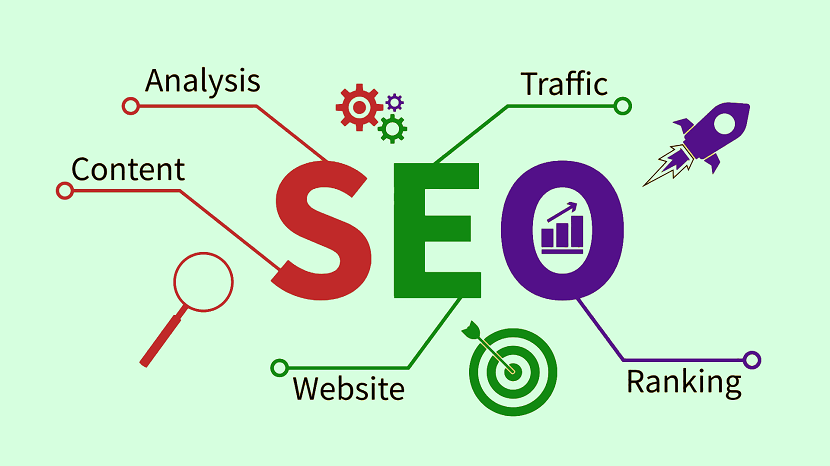
Understanding Search Engine Optimisation
Search engine optimisation (SEO) is the process of improving a website so that search engines can understand its content and people can find it more easily. A well-planned SEO strategy can help a business attract relevant visitors from unpaid search results and give those visitors a useful experience once they arrive.
SEO is not a quick fix or a way to guarantee a particular position in search results. It is ongoing work that combines useful content, sound website technology and a clear understanding of what people are looking for.
How search engines work
Search engines such as Google use automated systems to discover and organise pages across the web. Their work can be understood in three broad stages:
- Crawling: Search engines follow links and use automated programmes to find pages.
- Indexing: They analyse the information on discovered pages and may store it in an index.
- Ranking: When someone searches, they select and order results they consider relevant and helpful.
A page may not appear in search results if a search engine cannot access it, if it is blocked from indexing or if the engine considers another result more useful for the query. SEO helps remove barriers and makes a site’s purpose clearer, but search engines make the final decisions.
Why SEO matters
People often turn to search engines when they want to learn about a topic, compare options or find a product or service. Appearing for relevant searches can introduce a business to potential customers at the moment they are looking for information.
Good SEO can also improve the overall quality of a website. Clear navigation, informative pages and fast, accessible design benefit visitors as well as search engines. The aim is not simply to attract more traffic, but to attract the right visitors and help them take a useful next step.
The main areas of SEO
Keyword and audience research
Keyword research is the process of understanding the words and phrases people use when searching. It should begin with the audience: what do they need, what questions do they ask and what language do they use?
Search terms can reveal different intentions. Someone searching for “how to choose running shoes” is likely looking for advice, while someone searching for “buy running shoes” may be ready to make a purchase. Understanding this difference helps you create pages that match what searchers expect.
Keyword research should guide content, not dictate awkward writing. A page should use natural language, cover its subject clearly and answer the reader’s needs.
On-page SEO
On-page SEO involves improving the content and elements on individual pages. This includes:
- Writing a clear, descriptive page title.
- Creating a concise and relevant meta description.
- Using headings to organise information logically.
- Explaining the topic in useful, original content.
- Adding descriptive alternative text to meaningful images.
- Using internal links to connect related pages.
These elements help visitors understand a page and can give search engines useful context. They should be written for people first; repeating keywords unnaturally can make content harder to read and does not guarantee better rankings.
Technical SEO
Technical SEO focuses on whether a website can be accessed, understood and used effectively. Important considerations include:
- A logical website structure and working internal links.
- Pages that load reliably on mobile devices and desktop computers.
- Secure connections using HTTPS.
- Fast, stable page performance.
- Correct handling of duplicate or very similar pages.
- Appropriate use of XML sitemaps and robots.txt files.
Technical improvements are most valuable when they address a real obstacle. A website does not need every advanced feature to perform well; it needs a sound foundation that allows users and search engines to reach its important content.
Off-page SEO and reputation
Off-page SEO refers to signals beyond your own website that can help establish its credibility and visibility. Links from relevant, reputable websites can help people discover your content and may contribute to how search engines assess a site.
Links should be earned through worthwhile content, genuine partnerships, useful resources and legitimate business activity. Buying links or taking part in manipulative link schemes can put a website at risk. A strong reputation is built over time, not through shortcuts.
Local SEO
Local SEO helps businesses become more visible to people searching in a particular area. It is especially important for businesses with a physical location or a defined service area.
Useful steps include keeping business name, address and telephone details consistent, maintaining an accurate business profile on relevant platforms, and making location and service information clear on the website. Customer reviews can also help people assess a business, so they should be encouraged and handled honestly.
Creating content that deserves attention
Effective SEO content is accurate, useful and written for a specific audience. Before creating a page, consider what the reader wants to know and whether the page can provide a clearer or more complete answer than the alternatives.
Organise information so it is easy to scan, support claims where appropriate and keep important details up to date. Avoid creating multiple pages that say much the same thing simply to target slightly different search phrases. A smaller number of well-developed pages is often more helpful than a large collection of thin, repetitive content.
Measuring SEO progress
SEO results should be assessed against business goals, not rankings alone. Useful measures may include:
- Organic visits to important pages.
- Search impressions and clicks for relevant queries.
- Enquiries, sales, bookings or other meaningful conversions.
- Engagement with key content and landing pages.
- Technical issues that affect access or performance.
Tools such as Google Search Console and website analytics platforms can provide insight into search visibility and visitor behaviour. Data should be interpreted in context: a rise in traffic is not necessarily valuable if it does not reach the right audience or support the organisation’s goals.
How long does SEO take?
There is no fixed timetable for SEO. Results depend on factors such as a site’s history, its technical condition, the competitiveness of its market and the quality of its content. Some changes may have an effect relatively quickly, while building visibility and authority can take months or longer.
Consistent work is usually more effective than making a series of rushed changes. Review performance regularly, improve pages where there is a clear opportunity and allow time to understand the impact.
SEO practices to avoid
Be cautious of anyone promising guaranteed rankings or instant results. Practices such as keyword stuffing, hidden text, copied content, deceptive redirects and paid link schemes can harm a site’s reputation and may lead to search visibility problems.
Search engines change their systems over time, but the fundamentals remain practical: make your website accessible, publish genuinely useful information and make it easy for visitors to find what they need.
Getting started with SEO
A sensible starting point is to identify your audience and business objectives, then review your website’s most important pages. Check that they load properly, explain what you offer, answer likely questions and guide visitors towards a clear next step. Use search data and visitor feedback to decide what to improve next.
Understanding SEO means seeing it as more than a way to appear in search results. It is a long-term approach to making a website easier to find, easier to use and more useful to the people it is intended to serve.
5 Essential Tips for Understanding Search Engine Optimisation
- Understand how search engines crawl, index and rank pages.
- Use relevant keywords naturally in helpful content.
- Write clear page titles and descriptions.
- Make your website fast, mobile-friendly and easy to navigate.
- Track results and update your strategy over time.
Understand how search engines crawl, index and rank pages.
Understanding how search engines crawl, index and rank pages is a useful first step in SEO. Crawling is how search engines discover pages across the web; indexing is how they analyse and store information about those pages; and ranking is how they order results in response to a search. Making sure your site is accessible to search engines, clearly organised and genuinely useful can help its pages be discovered and understood, although search engines decide which results to show and in what order.
Use relevant keywords naturally in helpful content.
Use relevant keywords naturally in helpful content by focusing first on what your readers want to know. Include the words and phrases they are likely to search for where they fit the topic, such as in headings and page titles, but avoid forcing them into every sentence. Clear, informative writing is more useful to visitors and gives search engines a better understanding of your page.
Write clear page titles and descriptions.
Write clear, descriptive page titles and meta descriptions to help people understand what each page is about before they visit. A good title accurately summarises the page and includes its main topic, while a concise description highlights the useful information a visitor can expect. Keep both natural and specific, avoiding vague wording or repeated keywords. Although meta descriptions do not directly determine rankings, they can help your search result stand out and encourage relevant visitors to click.
Make your website fast, mobile-friendly and easy to navigate.
Make your website fast, mobile-friendly and easy to navigate to give visitors a better experience and help search engines understand your content. Pages that load quickly are less likely to frustrate users, while a responsive design makes your site easier to use on phones and tablets. Clear menus, logical page layouts and helpful internal links also make it simpler for people to find the information they need.
Track results and update your strategy over time.
Track your SEO results regularly to understand which pages, search terms and activities are bringing relevant visitors to your website. Use tools such as Google Search Console and website analytics to monitor visibility, traffic and conversions, then adjust your strategy based on what the data shows. Search behaviour and search engine algorithms change over time, so reviewing and improving your approach helps keep your website useful, competitive and aligned with your goals.