
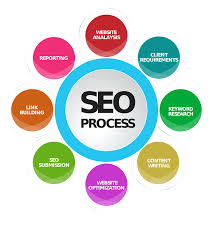
The Synergy of Marketing and Search Engine Optimization
In today’s digital age, the realms of marketing and search engine optimization (SEO) have become intertwined in a powerful synergy. Marketing strategies are no longer complete without a strong focus on SEO, and vice versa. Let’s delve into how these two disciplines work hand in hand to enhance online visibility, drive traffic, and boost conversions.
Understanding the Relationship
Marketing aims to promote products or services to target audiences through various channels such as social media, email campaigns, and content creation. On the other hand, SEO focuses on improving a website’s visibility in search engine results pages (SERPs) by optimizing content, keywords, and technical aspects.
When combined effectively, marketing and SEO can amplify each other’s impact. Marketing efforts can drive traffic to a website, while SEO ensures that the website ranks well for relevant keywords, attracting organic traffic from search engines.
Key Strategies
Content creation is a key area where marketing and SEO converge. High-quality content that resonates with the target audience not only engages users but also improves search engine rankings. By incorporating relevant keywords naturally into content pieces, marketers can boost SEO performance while delivering valuable information to users.
Link building is another crucial strategy that benefits both marketing and SEO efforts. Building quality backlinks from reputable websites not only enhances a site’s authority in the eyes of search engines but also drives referral traffic from external sources. Marketers can leverage these links to expand their reach and establish credibility within their industry.
The Impact on Business Growth
By aligning marketing initiatives with SEO best practices, businesses can achieve significant growth in online visibility and brand awareness. A well-optimised website that offers valuable content and a seamless user experience is more likely to attract and retain customers.
Furthermore, the data-driven nature of both marketing and SEO allows businesses to track performance metrics accurately and make informed decisions based on insights. By analysing key metrics such as organic traffic, conversion rates, and keyword rankings, companies can refine their strategies for continuous improvement.
In Conclusion
The synergy between marketing and search engine optimization is undeniable in today’s digital landscape. By integrating these two disciplines seamlessly into a cohesive strategy, businesses can maximise their online presence, reach new audiences, and drive sustainable growth.
Mastering Marketing: 6 Essential Tips for Effective SEO
Content Quality
When it comes to marketing and search engine optimization, the tip of focusing on content quality reigns supreme. High-quality content not only engages audiences and builds trust but also plays a pivotal role in improving search engine rankings. By creating valuable, relevant, and well-crafted content that resonates with target audiences, businesses can enhance their online visibility, attract organic traffic, and establish authority in their industry. Content quality is the cornerstone of successful digital marketing strategies, serving as a powerful tool to drive conversions and foster long-term relationships with customers.
Keyword Research
Keyword research is a fundamental aspect of marketing and search engine optimization strategies. By identifying the most relevant and high-performing keywords for a business or website, marketers can tailor their content to attract the right audience and improve organic search rankings. Effective keyword research involves understanding user intent, analysing search volume and competition, and staying updated on industry trends. By investing time and effort into comprehensive keyword research, businesses can enhance their online visibility, drive targeted traffic, and ultimately boost conversions.
On-Page SEO
On-Page SEO is a fundamental aspect of digital marketing that focuses on optimizing individual web pages to improve their search engine rankings and attract organic traffic. By strategically incorporating relevant keywords, meta tags, and high-quality content, businesses can enhance their online visibility and user experience. On-Page SEO also involves optimizing elements such as title tags, headings, and image alt text to make web pages more accessible to search engine crawlers. This tip underscores the importance of fine-tuning on-page elements to align with both user intent and search engine algorithms, ultimately driving higher rankings and increased website traffic.
Mobile Optimization
Mobile optimization is a crucial aspect of marketing and search engine optimization strategies in today’s digital landscape. With the increasing use of smartphones and tablets for online browsing, ensuring that websites are mobile-friendly is essential for reaching and engaging with audiences effectively. By optimising websites for mobile devices, businesses can improve user experience, reduce bounce rates, and enhance their search engine rankings. Mobile optimization not only caters to the preferences of mobile users but also aligns with search engines’ emphasis on mobile responsiveness as a ranking factor. Embracing mobile optimization is key to staying competitive in the digital realm and maximising visibility across all devices.
Link Building
Link building is a fundamental aspect of both marketing and search engine optimization strategies. By acquiring high-quality backlinks from reputable websites, businesses can enhance their website’s authority and credibility in the eyes of search engines. These links not only drive referral traffic to the site but also play a crucial role in improving search engine rankings. A well-executed link building strategy can boost online visibility, expand reach, and establish a strong digital footprint for businesses looking to thrive in the competitive online landscape.
Analytics Monitoring
Analytics monitoring plays a pivotal role in the success of marketing and search engine optimization strategies. By closely monitoring key performance indicators such as website traffic, user engagement, conversion rates, and keyword rankings, businesses can gain valuable insights into the effectiveness of their campaigns. Analyzing data from tools like Google Analytics provides a comprehensive view of user behaviour and helps identify areas for improvement. With continuous analytics monitoring, companies can make data-driven decisions to optimise their marketing efforts and SEO tactics, ensuring sustainable growth and enhanced online visibility.