
B2B Search Engine Optimisation: A Practical Guide to Sustainable Growth
B2B search engine optimisation (SEO) helps businesses become more visible when potential customers search online for solutions, suppliers and expertise. Done well, it can attract relevant visitors, support sales conversations and build trust long before a prospect is ready to make an enquiry.
Unlike many consumer purchases, business buying decisions often involve several people, detailed research and a longer evaluation process. Effective B2B SEO takes these differences into account. It focuses not only on bringing people to a website, but on helping the right people find useful information at each stage of their decision-making journey.
What makes B2B SEO different?
B2B audiences are usually looking to solve a specific business problem. They may compare suppliers, assess technical requirements, seek evidence of expertise or build a case for investment internally. The person searching may not be the final decision-maker, and several stakeholders may have different concerns.
This affects how an SEO strategy should be planned. B2B search demand can be highly specialised, and some valuable keywords may attract fewer searches than broad consumer terms. However, a focused search can still be commercially important if it comes from someone researching a relevant product or service.
B2B SEO therefore needs to connect search visibility with business outcomes. Rankings and traffic can offer useful insights, but they should be considered alongside qualified enquiries, opportunities and revenue.
Start with your audience and buying journey
Before choosing keywords, identify the organisations and people you want to reach. Consider their sectors, responsibilities, challenges and the language they use when looking for help. Sales teams, customer support staff and subject-matter experts can all provide valuable insight into customer questions.
Next, map those questions to the buying journey:
- Early research: The prospect is exploring a challenge or learning about possible approaches.
- Evaluation: They are comparing methods, suppliers or product capabilities.
- Decision: They need practical information to assess a particular solution and take the next step.
A prospect may move between these stages or revisit earlier questions. A useful website supports this process with clear, relevant information rather than relying on a single sales page to answer everything.
Build a keyword strategy around intent
Keyword research should go beyond lists of high-volume phrases. Look for the searches that reflect your audience’s problems, requirements and intent. These may include:
- Service and product searches, such as “managed IT support for financial firms”.
- Problem-focused searches, such as “how to reduce supply chain delays”.
- Comparison searches, such as “cloud-based CRM versus on-premise CRM”.
- Technical and compliance searches connected to your market.
- Brand, product and competitor-related searches.
Review the search results for each important topic. They can reveal what searchers are likely to expect: a service page, a detailed guide, a comparison, a case study or another format. Use this as a guide, while making sure the page offers a distinct and genuinely useful contribution.
Create content that demonstrates expertise
Strong B2B content answers real questions with clarity and depth. It should reflect the knowledge of people who understand the subject, rather than simply repeat familiar advice. Depending on your audience and offering, useful content may include:
- Detailed service or product pages.
- Guides to common business challenges and solutions.
- Case studies that explain the context, approach and outcome of a project.
- Comparison pages that help buyers assess different options.
- Technical documentation, FAQs and implementation resources.
- Industry insights supported by credible evidence and practical experience.
Make each page easy to understand and act on. Use descriptive headings, explain specialist terms where necessary and provide clear next steps. Avoid making claims that cannot be supported, particularly in regulated or technically complex sectors.
Strengthen your website’s technical foundations
Search engines need to be able to access, understand and index your important pages. Visitors also need a website that works smoothly across devices. A technical SEO review can identify issues such as:
- Pages that cannot be crawled or indexed correctly.
- Slow-loading or difficult-to-use pages.
- Broken links, redirect problems or duplicate content.
- Unclear site structure and confusing navigation.
- Missing or poorly written page titles and descriptions.
- Inaccessible content or usability problems on mobile devices.
Technical SEO is not a substitute for useful content, but it helps remove obstacles that can prevent both search engines and potential customers from finding value in your website.
Make your site structure work for buyers
A clear site structure helps visitors understand what you offer and where to find relevant information. Organise pages around your services, products, industries and key customer needs. Related resources should link to one another in a natural way, helping users move from a broad question to more specific information.
Internal links also help search engines discover and interpret pages. Use descriptive link text that explains what the destination is about, rather than relying on vague phrases such as “click here”.
Build authority with credibility, not shortcuts
Links from relevant, reputable websites can help people discover your business and may contribute to your website’s authority. A sustainable approach is to earn attention through useful resources, original insights, industry relationships and genuinely newsworthy work.
Avoid tactics that promise large numbers of links quickly or rely on manipulative schemes. These can create risk without building meaningful trust. In B2B markets, credibility is also reinforced through clear company information, knowledgeable authors, customer evidence and consistent expertise across your website.
Measure the results that matter
SEO reporting should connect activity to business objectives. Useful measures may include:
- Organic visibility for relevant topics and search terms.
- Visits to important service, product and resource pages.
- Engagement with high-intent content and calls to action.
- Qualified enquiries and the opportunities they generate.
- Assisted conversions, where organic search contributed earlier in the buying journey.
Because B2B sales cycles can be lengthy, the first visit from search may not lead directly to an enquiry. Use analytics and customer relationship management data where possible to understand how organic search supports the wider journey. Review results regularly and use them to refine your priorities.
Common B2B SEO mistakes
- Targeting broad terms without considering intent: High search volume does not always mean high commercial relevance.
- Publishing content without a clear purpose: Every page should serve a defined audience need or business objective.
- Writing only for search engines: Pages must be useful and persuasive for real buyers.
- Ignoring existing content: Updating, consolidating or improving a valuable page can be more effective than constantly publishing new ones.
- Measuring rankings alone: Search positions matter, but they do not show whether the right prospects are finding you.
- Expecting immediate results: SEO is a long-term activity, and progress depends on competition, website condition, content quality and other factors.
A practical way to get started
- Clarify your business goals and the types of customers you want to attract.
- Review your website’s technical health, structure and existing content.
- Research the questions and searches used by your audiences.
- Prioritise pages and topics according to relevance, intent and commercial value.
- Create or improve content that demonstrates genuine expertise.
- Track performance against meaningful marketing and sales measures.
- Use what you learn to continually improve the strategy.
Build B2B visibility that supports growth
B2B search engine optimisation works best when it is treated as part of a broader marketing and sales effort. By understanding buyers, addressing their questions and providing a clear, credible online experience, a business can build lasting visibility and support prospects throughout a complex decision-making process.
The strongest strategy is not simply to attract more visits. It is to help the right organisations find reliable answers, understand your expertise and take an informed next step.
Essential FAQs: Understanding B2B SEO Strategies and Their Importance
- What is B2B SEO strategy?
- Why SEO for B2B companies?
- Is SEO good for B2B?
- How to use SEO for B2B?
- Is SEO relevant for B2B?
- Is SEO a B2B marketing?
- What is SEO for B2B?
- Is SEO useful for B2B?
- What is the difference between B2B and B2C SEO?
- Why is SEO important in B2B?
- Why is SEO SEM important for B2B marketers?
- What is the difference between B2B SEO and B2C SEO?
- What is B2B search?
- What is a B2B search engine?
- What is B2B SEO vs B2C SEO?
- Does SEO Work for B2B?
- What are the SEO goals for B2B?
- What are the 3 types of SEO optimizations?
- How is B2B SEO different?
- How to do SEO for B2B business?
- How do I learn SEO as a beginner?
- How do you develop an effective B2B SEO strategy in 2022?
What is B2B SEO strategy?
A B2B SEO strategy is a plan for improving a business website’s visibility in search results and attracting relevant business buyers. It typically involves researching the questions and search terms used by target audiences, creating useful content for different stages of the buying journey, strengthening the website’s technical foundations and earning credible links. A strong strategy aligns these activities with business goals, such as generating qualified enquiries and supporting sales opportunities, rather than focusing on rankings or traffic alone.
Why SEO for B2B companies?
SEO helps B2B companies reach potential customers while they are researching business challenges, comparing solutions or evaluating suppliers. By appearing in relevant search results with useful, trustworthy content, your business can build visibility and credibility, attract more qualified website visitors and support buyers throughout a often lengthy decision-making process. Over time, a well-planned SEO strategy can become a sustainable source of leads and contribute to business growth.
Is SEO good for B2B?
Yes, SEO can be highly effective for B2B businesses. It helps potential customers find your company while researching business challenges, comparing suppliers or looking for specific solutions. By creating useful content and optimising key pages for relevant searches, you can build credibility, attract more qualified visitors and support the buying journey. B2B SEO often takes time to deliver results, but it can become a valuable source of sustainable visibility and enquiries.
How to use SEO for B2B?
Use SEO for B2B by identifying the businesses and decision-makers you want to reach, then researching the questions and search terms they use at each stage of the buying journey. Create helpful, expert content around those needs, optimise service and product pages, and make sure your website is technically sound, easy to navigate and clear about the next step. Build credibility with relevant case studies and reputable industry links, then measure performance using qualified enquiries and sales opportunities as well as rankings and traffic.
Is SEO relevant for B2B?
Yes, SEO is highly relevant for B2B businesses. Decision-makers use search engines to research challenges, compare suppliers and assess potential solutions, often well before they make contact. A well-planned SEO strategy helps your business appear at these key moments, build credibility with useful content and attract more relevant prospects. While B2B sales cycles can be longer and involve several stakeholders, organic search can support the buying journey from early research through to supplier evaluation.
Is SEO a B2B marketing?
SEO is a digital marketing channel used by both B2B and B2C businesses. In B2B marketing, it helps businesses reach other organisations by improving visibility in search results for the products, services and expertise potential buyers are researching. A B2B SEO strategy typically focuses on industry-specific keywords, detailed educational content and supporting a longer, multi-stakeholder buying journey.
What is SEO for B2B?
SEO for B2B (business-to-business) is the process of improving a company’s website and content so that it appears more prominently in search results used by other businesses. It involves understanding the needs and search behaviour of business buyers, targeting relevant keywords, creating useful content and ensuring the website is technically sound. The aim is to attract the right organisations, build trust throughout their research and evaluation process, and generate qualified enquiries—not simply increase website traffic.
Is SEO useful for B2B?
Yes, SEO is useful for B2B businesses because it helps potential customers find your services while researching problems, comparing suppliers and evaluating solutions. A well-planned strategy can attract relevant visitors, demonstrate your expertise and support prospects throughout a longer buying journey. While results may take time, SEO can become a valuable source of qualified enquiries and sustainable visibility when it is aligned with your audience’s needs and wider business goals.
What is the difference between B2B and B2C SEO?
B2B SEO targets businesses and the people involved in business purchasing decisions, while B2C SEO focuses on individual consumers. B2B buying journeys are often longer, involve several stakeholders and rely on detailed research, so B2B strategies tend to prioritise specialist topics, in-depth content and qualified leads over high volumes of traffic. B2C SEO more commonly targets broader product searches and quicker purchase decisions. Both rely on understanding search intent, creating useful content and maintaining a technically sound website, but their audiences, keywords and measures of success differ.
Why is SEO important in B2B?
SEO is important in B2B because it helps potential customers find your business while they are researching challenges, comparing solutions and assessing suppliers. By appearing in relevant search results, your website can attract qualified visitors, demonstrate expertise and build trust with decision-makers throughout often lengthy buying journeys. A well-planned SEO strategy can also support sales by providing useful information at each stage, while creating a sustainable source of visibility and enquiries over time.
Why is SEO SEM important for B2B marketers?
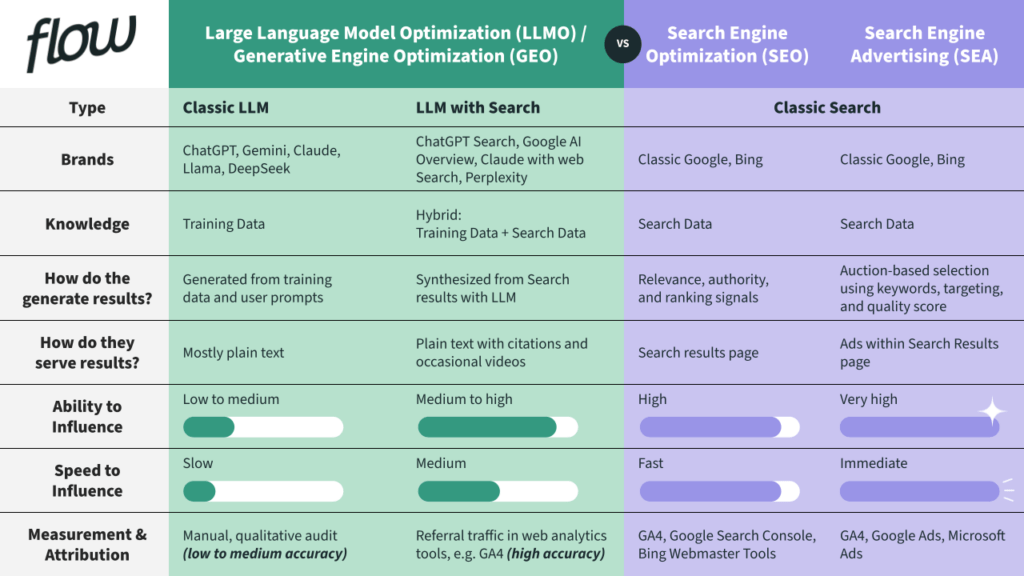
SEO and SEM are important for B2B marketers because they help businesses reach decision-makers while they are actively researching challenges, comparing solutions and evaluating suppliers. SEO builds long-term organic visibility and trust, while SEM can deliver more immediate exposure through paid search campaigns. Used together, they can cover different stages of the buying journey, attract relevant prospects and provide insights into which searches and messages generate qualified leads.
What is the difference between B2B SEO and B2C SEO?
B2B SEO focuses on reaching businesses and the people involved in their purchasing decisions, while B2C SEO targets individual consumers. B2B searches often involve specialist terms, several stakeholders and a longer decision-making process, so content typically needs to provide in-depth information, evidence and guidance at each stage. B2C SEO more often supports quicker, individual purchasing decisions and may place greater emphasis on product discovery, reviews and convenience. Both approaches rely on understanding search intent and creating useful content, but their keywords, content formats and measures of success differ.
What is B2B search?
B2B search is the process of businesses searching online for products, services, information or suppliers to meet their organisational needs. It often involves several decision-makers and a longer research process than consumer searches, with queries focused on specific business challenges, technical requirements, costs and comparisons. B2B search engine optimisation helps your business appear for these relevant searches and provide useful information at each stage of the buying journey.
What is a B2B search engine?
A B2B search engine is a search platform or tool that helps businesses find other businesses, products, services or specialist information. Unlike general search engines such as Google, some B2B search engines focus on supplier directories, industry databases or business-to-business marketplaces. In B2B SEO, the term can also refer to search engines used by business buyers to research solutions and potential suppliers. Optimising your website for these searches means creating clear, relevant content that helps the right organisations discover and assess your business.
What is B2B SEO vs B2C SEO?
B2B SEO focuses on reaching businesses and the people involved in their purchasing decisions, while B2C SEO targets individual consumers. B2B buying journeys are often longer, involve several stakeholders and rely on detailed research, so B2B SEO typically prioritises specialist keywords, in-depth content and qualified leads. B2C SEO more often aims to reach a larger audience and encourage quicker purchases, with greater emphasis on product searches, local intent and conversion-focused pages. Both approaches rely on useful content, strong technical foundations and understanding search intent, but their strategies and success measures differ.
Does SEO Work for B2B?
Yes, SEO can work very well for B2B businesses by helping potential clients find your expertise, products and services while researching solutions online. Because B2B buying decisions often involve several people and a longer sales cycle, SEO should target relevant searches at different stages—from early research to supplier comparisons—and provide genuinely useful content for each. Results take time and depend on factors such as competition, website quality and strategy, but effective SEO can support qualified enquiries, build credibility and contribute to long-term business growth.
What are the SEO goals for B2B?
The main SEO goals for B2B are to help the right decision-makers find your business, build trust and support them throughout a longer buying journey. This means improving visibility for relevant searches, attracting qualified organic traffic, demonstrating expertise with useful content and encouraging meaningful actions such as enquiries, demo requests or consultation bookings. B2B SEO should ultimately contribute to business outcomes, including stronger sales opportunities and revenue, rather than focusing on rankings or traffic alone.
What are the 3 types of SEO optimizations?
The three main types of SEO optimisation are **on-page SEO**, **off-page SEO** and **technical SEO**. On-page SEO improves elements on your website, such as content, headings and internal links, so pages are useful to visitors and relevant to their searches. Off-page SEO builds your site’s reputation beyond its own pages, mainly through relevant, credible backlinks and brand mentions. Technical SEO focuses on the foundations that help search engines crawl, understand and index your website, including site speed, mobile usability and site structure. For B2B organisations, all three work together to improve visibility and help potential buyers find trustworthy, useful information.
How is B2B SEO different?
B2B SEO differs from consumer-focused SEO because business purchases typically involve longer decision-making cycles, multiple stakeholders and more detailed research. Rather than targeting broad, high-volume keywords alone, it focuses on specific searches that reflect professional needs, technical requirements and buying intent. Content should support prospects at every stage—from understanding a problem to comparing solutions—and demonstrate credibility and expertise. Success is measured not just by rankings or traffic, but by whether SEO attracts relevant businesses and contributes to qualified enquiries and sales opportunities.
How to do SEO for B2B business?
To do SEO for a B2B business, start by identifying your ideal customers, their needs and the questions they ask at each stage of the buying journey. Research relevant keywords by search intent, then create helpful, expert content and clear service pages that address those needs. Make sure your website is technically sound, easy to navigate and works well on mobile, and build credibility through relevant industry links and evidence of your expertise. Track qualified enquiries and sales opportunities as well as rankings and traffic, so you can refine your strategy around business results.
How do I learn SEO as a beginner?
As a beginner, learn SEO by starting with the fundamentals: how search engines crawl and index websites, how people search, and how useful content meets their needs. Follow reputable SEO guides, then practise on a website or small project by researching relevant keywords, improving page titles and headings, creating helpful content and checking that pages work well on mobile. Use tools such as Google Search Console to monitor visibility and identify issues, and review your results regularly. SEO changes over time, so focus on testing, learning from reliable sources and building practical experience rather than chasing quick fixes.
How do you develop an effective B2B SEO strategy in 2022?
To develop an effective B2B SEO strategy in 2022, start by defining clear business goals and identifying the decision-makers and influencers you want to reach. Research the terms they use at each stage of the buying journey, then map those searches to useful, expert-led content and relevant service or product pages. Make sure your website is technically sound, easy to navigate and optimised for mobile, and strengthen credibility with authoritative links and evidence of your expertise. Finally, track more than rankings and traffic: measure qualified enquiries, sales opportunities and conversions, and use the results to refine your strategy over time.