
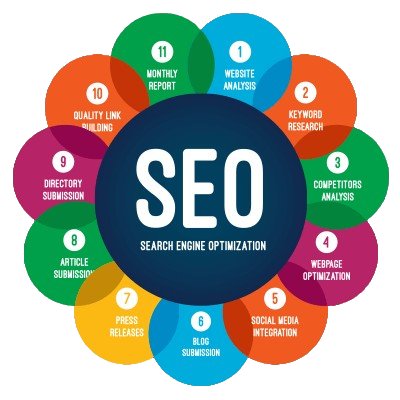
Optimisation and SEO Services: A Practical Guide to Growing Your Online Presence
Having a website is only the first step towards reaching customers online. To attract the right visitors and turn them into enquiries or sales, your site needs to be easy to find, useful to its audience and straightforward to use. That is where website optimisation and search engine optimisation (SEO) services can help.
What is website optimisation?
Website optimisation is the process of improving a website so it performs better for both visitors and the business behind it. It can involve making pages load more quickly, improving navigation, clarifying calls to action and ensuring the site works well on mobile devices.
SEO is one part of this broader process. It focuses on helping search engines understand a website and helping relevant pages appear in search results. Strong SEO and a good user experience often go hand in hand: visitors are more likely to engage with pages that are useful, clear and easy to navigate.
What do SEO services include?
SEO services are tailored to a website’s current performance, audience and objectives. Common areas of work include:
- SEO audits: Reviewing a website to identify technical issues, content gaps and opportunities to improve visibility.
- Keyword and search-intent research: Finding out what potential customers search for and what they hope to achieve when they search.
- On-page optimisation: Improving page titles, headings, internal links and content so that pages are clear and relevant.
- Technical SEO: Addressing issues such as crawlability, indexation, site structure, mobile usability and page speed.
- Content planning: Creating or improving useful pages that answer customers’ questions and support their decision-making.
- Local SEO: Helping businesses improve their visibility in location-based searches, including through accurate business details and local content.
- Performance reporting: Monitoring relevant measures, such as organic traffic, rankings, leads and conversions, to understand progress.
Why does SEO matter?
Search engines are a key way for people to discover businesses, products and services. A well-planned SEO strategy can help a website reach people who are actively looking for what the business offers. Unlike paid advertising, organic visibility does not depend on paying for every click, although SEO does require ongoing expertise, time and investment.
SEO can also improve the overall quality of a website. Clearer information, stronger page structure and better mobile performance can make it easier for visitors to find what they need, whether they arrive from a search engine, a social post or a direct link.
Optimisation is more than rankings
High search rankings are useful, but they are not the only measure of success. The most valuable traffic is traffic that reaches the right pages and takes meaningful action. That might mean making an enquiry, booking an appointment, signing up to a newsletter or completing a purchase.
For that reason, effective optimisation considers the full visitor journey. If a page attracts visitors but does not explain the service clearly or make the next step obvious, improving its ranking alone may not deliver the desired outcome. Content, usability and conversion paths should all work together.
How the SEO process works
A sound SEO programme usually begins with research and a review of the website. The findings help establish priorities: some sites may need technical improvements first, while others may benefit most from stronger content or a clearer local search presence.
Once priorities are agreed, changes can be made and their impact monitored. SEO is an ongoing process because search behaviour, competitors and search engine systems change over time. Regular reviews help businesses respond to new opportunities and keep their websites useful and up to date.
Choosing an SEO services provider
When comparing providers, look for a clear explanation of the proposed work and how it relates to your business goals. A reliable SEO partner should be able to explain what they will do, how progress will be measured and what is realistic within your timeframe and budget.
Be cautious of guaranteed rankings, vague reports or tactics that promise fast results without explaining the risks. SEO is not an overnight fix, and results vary depending on factors such as competition, the condition of the website and the resources available. Sustainable work focuses on useful content, sound technical foundations and practices designed to serve both visitors and search engines.
Building long-term online visibility
Optimisation and SEO services can help businesses make their websites easier to discover, understand and use. The best results come from a clear strategy, consistent improvement and a focus on the needs of the audience—not simply on search positions.
By combining technical SEO, relevant content and a positive user experience, businesses can build a stronger online presence and create a website that supports their goals over the long term.
8 Tips for Choosing SEO Services and Optimising Your Website
- Set clear goals before choosing optimisation services.
- Audit your website for speed and usability issues.
- Choose SEO services with transparent reporting.
- Use relevant keywords naturally in useful content.
- Optimise page titles and meta descriptions.
- Make your website mobile-friendly.
- Build quality links from trusted websites.
- Track rankings, traffic and conversions regularly.
Set clear goals before choosing optimisation services.
Before choosing optimisation and SEO services, set clear goals for what you want to achieve. You might want to increase relevant website traffic, generate more enquiries, improve local visibility or boost online sales. Defined objectives help you choose the right services, set realistic expectations and measure progress against outcomes that matter to your business.
Audit your website for speed and usability issues.
Audit your website regularly to uncover speed and usability issues that may frustrate visitors or affect search performance. Check how quickly pages load on desktop and mobile, whether menus and links work properly, and how easily people can find key information or complete an action. Fixing slow-loading pages, confusing navigation and mobile display problems can create a smoother experience for visitors and help search engines crawl and understand your site more effectively.
Choose SEO services with transparent reporting.
Choose SEO services that provide clear, regular reporting so you can see what work has been completed and how it is affecting your website. Reports should explain meaningful measures such as organic traffic, enquiries, conversions and search visibility in plain English, rather than relying on unexplained figures or jargon. Transparent reporting helps you understand progress, ask informed questions and make sure the SEO work supports your business goals.
Use relevant keywords naturally in useful content.
Use relevant keywords naturally in useful content to help search engines and readers understand what each page is about. Start by considering the words and questions your audience is likely to use, then include them where they fit—such as in headings, page titles and body text. Avoid forcing keywords into every sentence: clear, informative writing that genuinely answers readers’ needs is more valuable than content written simply to repeat search terms.
Optimise page titles and meta descriptions.
Optimise your page titles and meta descriptions to give people and search engines a clear idea of what each page offers. Write a unique, concise title that includes the main topic, and a compelling description that accurately summarises the page and encourages relevant visitors to click. Keep both natural and specific, avoid keyword stuffing, and make sure they reflect the content users will find on the page.
Make your website mobile-friendly.
Make your website mobile-friendly so visitors can browse, read and take action easily on any device. Use a responsive design that adapts to different screen sizes, keep navigation simple, make buttons easy to tap and ensure pages load quickly on mobile connections. A smooth mobile experience helps meet visitors’ needs and supports SEO, as search engines consider mobile usability when assessing websites.
Build quality links from trusted websites.
Build quality links from trusted, relevant websites to strengthen your site’s credibility and help search engines understand its value. Focus on earning links through useful content, genuine industry relationships and reputable directories, rather than buying links or using schemes that could harm your rankings. A few relevant, editorially earned links are generally more valuable than a large number of low-quality ones.
Track rankings, traffic and conversions regularly.
Track your rankings, website traffic and conversions regularly to understand whether your optimisation and SEO efforts are delivering results. Rankings show how your pages are performing in search, while traffic reveals how many people are visiting your site. Conversions—such as enquiries, bookings or purchases—help you see whether those visits are turning into meaningful outcomes. Review these measures over time, rather than relying on a single snapshot, so you can spot trends, identify opportunities and adjust your strategy where needed.