
Best SEO Marketing: How to Build Sustainable Search Visibility
The best SEO marketing helps the right people find a business through search engines—and gives them a useful reason to stay, engage and take action. It is not a quick fix or a collection of tricks. Effective SEO combines technical foundations, helpful content, relevant authority and a clear understanding of what potential customers are looking for.
Search rankings can change, and no reputable provider can guarantee a particular position. A considered SEO strategy focuses instead on improving visibility, attracting relevant visitors and supporting long-term business goals.
What is SEO marketing?
Search engine optimisation (SEO) is the practice of improving a website so that search engines can understand it and people can find it more easily. SEO marketing brings this work together with broader marketing objectives, such as building awareness, generating enquiries or increasing online sales.
SEO commonly includes:
- Technical SEO: Making sure a website can be crawled and indexed, works well on mobile devices and loads efficiently.
- On-page SEO: Improving page titles, headings, internal links and other elements to make each page clear and useful.
- Content marketing: Creating accurate, original content that answers the questions an audience is asking.
- Off-page SEO: Building a website’s reputation through genuine mentions, relevant links and other credible signals.
- Local SEO: Helping a business appear in relevant local searches, including searches for nearby services.
What makes SEO marketing effective?
It starts with audience research
Strong SEO begins with understanding potential customers: what they need, how they describe it and what information could help them make a decision. Keyword research can reveal this search behaviour, but keywords should be treated as clues to user intent, not phrases to repeat unnaturally.
For example, someone searching for a service may want to compare providers, understand prices or find an answer to a specific problem. Content should match that purpose rather than simply target a high-volume term.
It prioritises useful, trustworthy content
High-quality content answers the reader’s question clearly and provides a worthwhile next step. It should be accurate, easy to navigate and written for people first. Depending on the subject, useful content might include service pages, practical guides, product information, case studies or frequently asked questions.
Original experience and expertise can make a page more valuable. Avoid publishing thin, repetitive or misleading material simply to cover more keywords. A smaller number of well-maintained pages can be more effective than a large volume of low-value content.
It keeps the website technically sound
Even excellent content can struggle if search engines cannot access it or visitors find the website difficult to use. Technical checks should cover crawlability, indexation, broken links, duplicate pages, mobile usability, site security and page performance.
Technical SEO is not about chasing a perfect score in every tool. It is about identifying issues that prevent important pages from being found, understood or used.
It builds authority naturally
Relevant links and brand mentions can help demonstrate that a website is recognised and useful. The strongest approach is to earn attention through valuable resources, original research, excellent products or services and genuine relationships within an industry.
Buying links or using manipulative link schemes can put a website at risk. Sustainable SEO marketing avoids shortcuts that compromise trust.
It measures outcomes, not just rankings
Rankings can provide useful context, but they are not the whole picture. Measurement should connect SEO activity to meaningful outcomes, such as qualified organic visits, enquiries, bookings, sales or engagement with key pages.
Analytics and search performance tools can help show which pages attract visitors, what queries bring people to the site and where improvements may be needed. Data should inform decisions, while recognising that results can be affected by seasonality, competition and changes in search behaviour.
How to choose an SEO marketing strategy
The right strategy depends on the website, its audience, its competition and its goals. A local business may benefit most from accurate business listings and location-specific pages. An online retailer may need stronger product information, category pages and technical improvements. A professional services firm may need detailed resources that demonstrate subject knowledge and build confidence.
Before investing in SEO, define what success means. Then review the website, identify the most important opportunities and prioritise work according to likely impact and available resources. A clear plan should explain what will be done, why it matters and how progress will be assessed.
Common SEO marketing mistakes to avoid
- Writing for search engines instead of addressing real customer needs.
- Repeating keywords unnaturally or creating near-identical pages.
- Expecting immediate results from work that usually takes time to establish.
- Ignoring mobile usability, site structure or technical problems.
- Focusing on traffic without considering whether visitors are relevant.
- Using guaranteed-ranking claims or risky link-building tactics.
- Publishing content without reviewing and updating it when information changes.
How long does SEO take?
SEO is a long-term marketing channel, and the time needed to see results varies. A new website, a competitive market or significant technical issues may require more work before meaningful progress appears. Existing sites with strong foundations may be able to improve important pages sooner.
Rather than relying on a promised timeframe, look for steady evidence of progress: improved coverage in search, stronger visibility for relevant queries and more valuable organic visits over time.
Conclusion
The best SEO marketing is grounded in usefulness, sound technical practice and a clear understanding of business objectives. It helps search engines make sense of a website while giving people relevant, trustworthy information. With consistent effort and sensible measurement, SEO can become a durable part of a wider digital marketing strategy.
Best SEO Marketing: 26 Frequently Asked Questions About Companies, Experts, Tools and Strategies
- Which is the best SEO marketing company?
- Who is the best SEO expert?
- What is the best SEO for a small business?
- What SEO company is best?
- What is the best SEO marketing tool?
- Is SEO worth it in 2022?
- What is the best SEO for a website?
- Is SEO good for marketing?
- Which SEO is best?
- What is the best SEO tool in 2022?
- Can you do SEO yourself?
- Which is the most powerful SEO tool?
- Is SEO dead or evolving in 2026?
- What are the 3 types of SEO?
- How do I get the best SEO marketing services?
- What are examples of SEO marketing?
- Is SEO still relevant in 2022?
- Which company has the best SEO?
- What is the most popular SEO?
- What are SEO tools in marketing?
- What is an SEO in marketing?
- What is SEO Best Practices 2022?
- Which company has best SEO strategy?
- What is SEO in marketing?
- What SEO company is the best?
- Which is the best SEO tool?
Which is the best SEO marketing company?
The best SEO marketing company is one that understands your business, audience and goals, then builds a clear strategy around them. Look for a provider that explains its recommendations, reports on meaningful outcomes and follows ethical SEO practices—rather than promising guaranteed rankings or overnight results. Ask about its experience, approach to communication and how it measures success, and choose a company that sets realistic expectations and tailors its work to your needs.
Who is the best SEO expert?
There is no single “best” SEO expert for every business. The right choice depends on your goals, industry, budget and the experience needed—whether that is technical SEO, content strategy, local search or e-commerce. Look for a professional who explains their approach clearly, shares relevant examples, measures meaningful results and follows ethical, sustainable practices. Be cautious of anyone promising guaranteed rankings or instant results.
What is the best SEO for a small business?
The best SEO for a small business is a focused strategy built around the people and places it serves. Start by making the website fast, mobile-friendly and easy to navigate, then create clear pages that target relevant search terms and answer customers’ questions. For businesses serving a local area, keep the Google Business Profile accurate and up to date, encourage genuine customer reviews and ensure contact details are consistent across reputable directories. Track enquiries, sales and relevant website visits—not just rankings—and prioritise improvements that support business goals.
What SEO company is best?
The best SEO company is one that understands your business, audience and goals, then builds a strategy around them. Look for clear communication, ethical practices, relevant experience and reporting that links SEO activity to meaningful outcomes such as qualified enquiries or sales. Be cautious of providers promising guaranteed rankings or instant results: no company can control search engine algorithms, and sustainable SEO takes time.
What is the best SEO marketing tool?
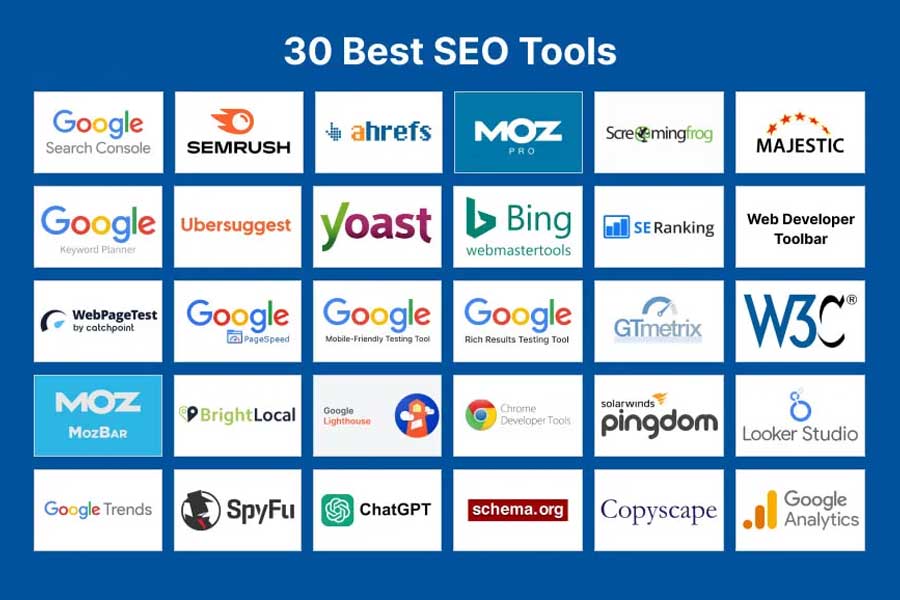
There is no single best SEO marketing tool for every business, as the right choice depends on your goals and budget. Google Search Console is a strong free starting point for monitoring search visibility and technical issues, while tools such as Semrush or Ahrefs can support keyword research, competitor analysis and backlink reviews. For technical audits, Screaming Frog is a popular option. Many businesses get the best results by combining a few tools and using the data to guide useful, audience-focused improvements.
Is SEO worth it in 2022?
Yes, SEO was worth investing in in 2022 for businesses seeking to reach people actively searching for their products or services. Although it typically takes time to deliver results, a well-planned strategy can improve visibility, attract relevant visitors and support long-term growth without relying solely on paid advertising. Its value depends on your goals, competition and the quality of your website and content, so success should be measured by meaningful outcomes such as enquiries and sales—not rankings alone.
What is the best SEO for a website?
The best SEO for a website is a balanced approach that makes it easy for search engines to crawl and understand your pages while giving visitors genuinely useful, trustworthy content. Start by addressing technical issues, improving mobile usability and page speed, and organising your site clearly. Then create well-researched pages that match what your audience is searching for, use relevant keywords naturally, and earn reputable links through valuable content and genuine industry relationships. The right priorities depend on your website and goals, so measure progress through relevant traffic and enquiries or sales—not rankings alone.
Is SEO good for marketing?
Yes, SEO is a valuable marketing channel because it can help your website appear when people are actively searching for relevant products, services or information. By improving your website’s content, usability and technical performance, SEO can attract relevant organic traffic and build visibility over time. Results are not usually immediate, and rankings cannot be guaranteed, so SEO works best as part of a wider marketing strategy alongside channels such as paid advertising, social media and email.
Which SEO is best?
The best SEO is the approach that matches your business goals and your customers’ needs. For most businesses, this means combining sound technical SEO with useful, well-structured content, relevant keyword research and trustworthy authority-building. Local businesses should also prioritise local SEO, while online shops may need to focus on product and category pages. Avoid quick-fix tactics and choose sustainable methods that improve visibility and attract the right visitors over time.
What is the best SEO tool in 2022?
There was no single best SEO tool in 2022, as the right choice depended on your goals and budget. Google Search Console was a strong free option for monitoring search performance and indexing, while tools such as Ahrefs, Semrush and Moz offered broader keyword, competitor and backlink research features. For technical website audits, Screaming Frog was also widely used. Many businesses combined a few tools rather than relying on one platform alone.
Can you do SEO yourself?
Yes, you can do SEO yourself, especially if you have time to learn the basics and make regular improvements. Tasks such as researching relevant keywords, writing helpful content, improving page titles and checking that your website works well on mobile are manageable for many business owners. More technical or competitive projects may require specialist support, but a practical DIY approach can still build a strong foundation.
Which is the most powerful SEO tool?
There is no single SEO tool that is best for every task. Google Search Console is one of the most powerful free options, as it shows how your website performs in Google Search and highlights indexing or technical issues. For keyword research, competitor analysis and site audits, specialist platforms such as Ahrefs, Semrush or similar tools can provide deeper insights. The right choice depends on your goals, budget and the skills available to interpret the data.
Is SEO dead or evolving in 2026?
SEO isn’t dead in 2026; it’s evolving as search expands beyond traditional results to include AI-generated answers, richer features and new ways to discover information. The fundamentals still matter: technically sound websites, helpful and trustworthy content, clear expertise and a good user experience. What’s changing is the need to make content easy for both people and search systems to understand, while measuring success through relevant visibility, visits and conversions—not rankings alone.
What are the 3 types of SEO?
The three main types of SEO are on-page, off-page and technical SEO. On-page SEO improves the content and elements on your website, such as headings, page titles and internal links. Off-page SEO builds your site’s reputation through relevant links and brand mentions from other websites. Technical SEO focuses on how well search engines can crawl and index your site, as well as factors such as mobile usability, site structure and loading speed. Together, these approaches help improve search visibility and create a better experience for visitors.
How do I get the best SEO marketing services?
To find the best SEO marketing services, start by defining your goals, such as increasing qualified website visits, enquiries or online sales. Look for a provider with relevant experience, a clear process and a strategy tailored to your business—not a one-size-fits-all package. Ask how they approach technical SEO, content and link-building, how they measure progress, and how often they report results. Choose a team that communicates transparently, follows ethical practices and sets realistic expectations; be wary of guaranteed rankings or promises of instant results.
What are examples of SEO marketing?
Examples of SEO marketing include researching the terms potential customers use, creating helpful blog articles and service pages, improving page titles and headings, making a website faster and easier to use on mobile, earning relevant links from reputable websites, and optimising a Google Business Profile for local searches. Together, these activities help a website appear for relevant queries and attract visitors who are more likely to become customers.
Is SEO still relevant in 2022?
Yes, SEO was still highly relevant in 2022, as people continued to use search engines to find information, compare options and choose products or services. As search results and user expectations evolved, businesses needed to focus on helpful, trustworthy content, a technically sound and mobile-friendly website, and a good user experience. SEO was not an instant fix, but it remained a valuable way to build visibility and attract relevant organic traffic over time.
Which company has the best SEO?
There is no single company that has the best SEO for every business. The right provider depends on your goals, industry, budget and the support you need. Look for an SEO company that explains its strategy clearly, uses ethical practices, can show relevant experience and measures success against meaningful outcomes—not just rankings. Be cautious of guaranteed results, vague promises or pressure to sign up quickly; a trustworthy partner will set realistic expectations and tailor its approach to your business.
What is the most popular SEO?
The most popular type of SEO is often on-page SEO, which involves improving website content, page titles, headings, internal links and other elements to help search engines understand each page and match it to relevant searches. However, effective SEO usually combines on-page, technical, off-page and local SEO, with the right balance depending on a business’s audience, website and goals.
What are SEO tools in marketing?
SEO tools in marketing are software platforms that help businesses improve their visibility in search engine results. They can support tasks such as researching keywords, checking website performance and technical issues, analysing competitors, monitoring rankings, and measuring organic traffic. These tools provide useful data to guide decisions, but they do not replace a clear strategy, helpful content or an understanding of what customers are searching for.
What is an SEO in marketing?
In marketing, SEO (search engine optimisation) is the practice of improving a website so it is more likely to appear in relevant organic search results. It involves making technical improvements, creating useful content and building the site’s credibility to help search engines understand its pages and connect them with people looking for related information, products or services.
What is SEO Best Practices 2022?
SEO best practices in 2022 focused on creating helpful, reliable content that matched search intent, alongside a fast, mobile-friendly website that search engines could crawl and index. Key priorities included improving page experience and Core Web Vitals, using clear site structure and descriptive titles, demonstrating expertise and trustworthiness, and earning relevant links naturally. Rather than relying on keyword stuffing or other shortcuts, businesses were encouraged to provide genuine value to users and measure results against meaningful goals.
Which company has best SEO strategy?
There is no single company with the best SEO strategy for every business. The right choice depends on your goals, industry, budget and audience. Look for an SEO company that takes time to understand your business, explains its approach clearly, focuses on useful content and sound technical SEO, and reports on meaningful results rather than promising guaranteed rankings. Compare relevant case studies, reviews and proposals before deciding.
What is SEO in marketing?
SEO in marketing means improving a website so it is more likely to appear in relevant, unpaid search engine results. It involves understanding what people are searching for, creating useful content, improving website structure and performance, and building trust through credible links and mentions. The aim is to attract relevant visitors and support business goals, such as generating enquiries or sales.
What SEO company is the best?
There is no single SEO company that is best for every business: the right choice depends on your goals, industry, budget and the support you need. Look for a provider that explains its strategy clearly, sets realistic expectations, reports on meaningful results and follows ethical SEO practices. Ask for relevant case studies, understand exactly what is included and be wary of guaranteed rankings or promises of instant success.
Which is the best SEO tool?
There is no single best SEO tool for every business, as the right choice depends on your goals and budget. Google Search Console is an excellent free starting point for monitoring search performance and indexing, while tools such as Semrush and Ahrefs offer broader keyword, competitor and backlink research features. For technical website audits, Screaming Frog can be particularly useful. Many businesses combine tools, choosing the ones that provide clear, reliable insights they can act on.