
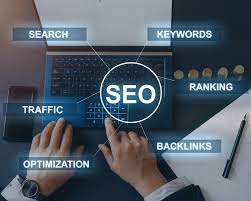
Company Search Engine Optimisation: A Practical Guide for Businesses
When potential customers search online for a product or service, appearing prominently in relevant results can help your business attract attention and earn enquiries. Company search engine optimisation (SEO) is the ongoing work of improving a business’s website and online presence so that search engines can understand it and people can find useful answers.
SEO is not a quick fix or a guarantee of first place on Google. It is a long-term approach that combines technical improvements, helpful content and a better experience for visitors. Whether managed in-house or with an SEO company, a well-planned strategy should support clear business goals.
What does company SEO involve?
Search engine optimisation covers several connected areas. The right priorities depend on your website, industry, audience and current performance.
- Technical SEO: Making it easier for search engines to crawl and index your site. This can include improving page speed, fixing broken links, checking mobile usability and organising your site structure.
- Keyword and audience research: Finding out what your potential customers search for, and what they hope to achieve when they make those searches.
- On-page optimisation: Improving page titles, headings, copy, internal links and other elements so each page is clear and relevant.
- Content development: Creating useful pages that answer genuine questions, explain your services or help customers make informed decisions.
- Local SEO: Helping a business become more visible in location-based searches, including through accurate business details and a well-maintained Google Business Profile.
- Authority and reputation: Earning relevant links and mentions from reputable websites, while building trust through accurate information and a strong customer experience.
Why is SEO important for a company?
Organic search can introduce your business to people who are already looking for information, products or services like yours. A strong search presence may support brand awareness, website visits and qualified leads.
Unlike paid advertising, organic listings do not require payment for each click. However, SEO still needs investment: time, expertise, content and ongoing maintenance. Results can take time, and performance may change as competitors, search behaviour and search engine systems evolve.
How to choose an SEO company
An SEO company should be able to explain its work in clear, practical terms and connect its recommendations to your business objectives. Before choosing a provider, consider the following:
- Strategy: Does the company begin by understanding your customers, services and commercial goals?
- Transparency: Will you know what work is being done, why it matters and how progress will be reported?
- Realistic expectations: Be cautious of guaranteed rankings, instant results or claims of special access to search engines.
- Ethical methods: Ask how the company earns links and develops content. Avoid approaches based on spam, copied material or manipulative tactics.
- Relevant experience: Look for evidence of work in comparable sectors or with similar challenges, while recognising that results vary between businesses.
- Measurement: Check that reporting covers meaningful indicators, not just rankings or traffic in isolation.
What should an SEO company measure?
SEO performance should be assessed against the outcomes that matter to your organisation. Useful measures may include organic visits, visibility for relevant searches, enquiries, sales, conversion rates and the quality of leads. Search rankings can provide context, but a position on its own does not show whether SEO is contributing to business growth.
Reporting should also explain what has changed, what has been learned and what the next priorities are. This helps your team understand progress without relying on unexplained charts or technical jargon.
How long does company SEO take?
There is no universal timeline. A new website, a highly competitive market or significant technical issues may require more time than a site with a strong foundation. Some improvements can be implemented quickly, but search engines need time to process changes, and building authority and useful content is usually gradual.
A responsible SEO company will set expectations based on research and explain that outcomes cannot be guaranteed. Regular reviews can show whether the strategy is moving in the right direction and where it needs to adapt.
Building a sustainable SEO strategy
Effective company search engine optimisation starts with the customer. Understand the questions people ask, make your website straightforward to use and publish accurate, genuinely helpful information. Keep your business details consistent, monitor technical health and review performance regularly.
SEO works best as part of a broader marketing plan. When your website gives visitors a clear reason to trust your business and take the next step, improved visibility has a better chance of delivering lasting value.
Frequently asked questions
Is SEO suitable for small companies?
Yes. Small businesses can focus on specific services, customer needs or local areas rather than trying to compete for every broad search term. A focused strategy can make the available time and budget go further.
Can a company do its own SEO?
Many SEO tasks can be managed in-house, particularly content planning, basic website improvements and local business profile updates. Specialist support may be useful for technical audits, competitive research or a larger site migration.
Is SEO a one-off project?
Some work, such as fixing a technical issue, may be completed as a project. SEO as a whole is ongoing because websites, competitors and search behaviour change over time.
7 Essential Tips for Optimising Your Company’s Search Engine Performance
- Research keywords your customers actually use.
- Create useful, original content for each service.
- Write clear page titles and meta descriptions.
- Make your website fast and mobile-friendly.
- Use descriptive links between related pages.
- Keep your Google Business Profile up to date.
- Track rankings, traffic and enquiries regularly.
Research keywords your customers actually use.
Research the words and phrases your customers actually use when searching for your products or services. Consider their questions, needs and location, and use keyword research tools, customer feedback and your own website data to understand how they search. This helps you create relevant pages and content that match their intent, rather than relying on industry jargon or assumptions.
Create useful, original content for each service.
Create useful, original content for every service your company offers. Explain what the service includes, who it is for and how it can help, using the questions and language your customers actually use. Avoid copying generic descriptions or repeating the same text across multiple pages; specific, accurate information makes each page more valuable to visitors and helps search engines understand how your services differ. Focus on being clear and genuinely helpful rather than adding content just to include keywords.
Write clear page titles and meta descriptions.
Write clear, descriptive page titles and meta descriptions to help people understand what each page offers before they click. Include the page’s main topic naturally, keep the wording specific and avoid repeating the same text across multiple pages. Page titles and meta descriptions should accurately reflect the content, as misleading wording can disappoint visitors and undermine trust. Although meta descriptions do not directly determine rankings, a useful description may encourage more relevant searchers to visit your site.
Make your website fast and mobile-friendly.
Make your website fast and mobile-friendly to give visitors a smooth experience, wherever they are and whatever device they use. Pages that load quickly help people find information without frustration, while clear layouts, readable text and easy-to-use navigation make it simpler to take the next step. Regularly test your site on mobile devices and address issues such as oversized images or intrusive pop-ups. A well-performing website can support your SEO efforts and help turn more visits into enquiries or sales.
Use descriptive links between related pages.
Use descriptive links to connect related pages across your website. Clear link text tells visitors what to expect when they click and helps search engines understand how your content fits together. For example, link the words “technical SEO services” to a relevant service page rather than using vague text such as “click here”. Keep links natural and useful, so they help people explore your site without interrupting their reading.
Keep your Google Business Profile up to date.
Keep your Google Business Profile up to date so customers can quickly find accurate information about your company in local search results and on Google Maps. Check that your business name, address, phone number, opening hours and website link are correct, and update them whenever anything changes. Add recent photos, choose the most relevant business categories and respond professionally to customer reviews. A complete, well-maintained profile helps people understand what you offer and makes it easier for them to contact or visit you.
Track rankings, traffic and enquiries regularly.
Track your search rankings, website traffic and customer enquiries regularly to understand whether your SEO efforts are delivering meaningful results. Rankings can show how visible your company is for relevant searches, while traffic reveals whether people are visiting your site and enquiries indicate whether those visits are turning into potential business. Review these measures over time rather than relying on a single snapshot, and use what you learn to refine your strategy.