
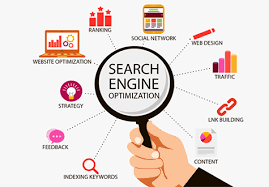
SEO Services for Agencies: A Practical Guide to Scaling Your Offering
Search engine optimisation can be a valuable part of an agency’s service offering, but delivering it well takes time, specialist knowledge and consistent attention. For agencies managing multiple clients, building an in-house SEO team is not always the most practical option. Partnering with an experienced SEO provider can help fill that gap, support existing teams and make it easier to offer clients a more complete digital marketing service.
This guide explains what SEO services for agencies can include, how agency partnerships typically work and what to look for when choosing a provider.
What are SEO services for agencies?
SEO services for agencies are search optimisation services delivered to support an agency’s clients. They may be provided behind the scenes under a white-label arrangement, supplied as specialist support to an existing team, or offered in collaboration with the agency’s own strategists and account managers.
The aim is to give agencies access to the skills and capacity needed to plan and deliver SEO work without having to recruit for every specialism internally. Depending on the provider, support might include technical audits, keyword research, content planning, on-page optimisation, digital PR and reporting.
What can an agency SEO partner provide?
The right mix of services depends on each client’s goals, website and market. Common areas of support include:
- SEO strategy: setting priorities, defining objectives and creating a practical roadmap for organic growth.
- Technical SEO: identifying issues that may affect crawling, indexing, site performance or user experience.
- Keyword and search intent research: understanding what prospective customers search for and how those searches relate to the client’s services.
- On-page optimisation: improving page structure, internal links, headings, metadata and content relevance.
- Content support: developing content briefs, reviewing existing pages and identifying opportunities to answer users’ questions.
- Digital PR and link earning: supporting credible coverage and relevant links through useful content and outreach.
- Local SEO: improving visibility for businesses serving specific towns, regions or service areas.
- Analytics and reporting: tracking agreed measures and explaining what the data means for the client’s business.
SEO is not a single task or a guaranteed route to a particular ranking. It is an ongoing process that combines technical foundations, useful content, authority and measurement.
Why agencies choose to outsource SEO
Access specialist expertise
SEO covers a broad range of disciplines. An external partner can provide access to specialists in areas such as technical analysis, content strategy or digital PR, complementing the expertise already available within the agency.
Manage changing workloads
Client demand can vary from month to month. Outsourcing some or all SEO delivery can give an agency extra capacity when workloads increase, without requiring an immediate permanent hire.
Expand services more efficiently
An agency may want to offer SEO alongside web design, paid media, branding or content marketing. A reliable delivery partner can help build this capability while the agency focuses on client relationships and its broader strategy.
Keep client work moving
When responsibilities and communication are clearly agreed, an SEO partner can help maintain momentum across audits, recommendations and implementation. This can be particularly useful when an agency has limited internal SEO resource.
White-label SEO and collaborative delivery
White-label SEO allows a provider to carry out work that the agency presents to its client as part of its own service. The provider may work under the agency’s brand, prepare reports using its templates or communicate directly with the client if that arrangement has been agreed.
White-label delivery is not the only option. Some agencies prefer a collaborative model in which the SEO provider joins planning meetings, shares expertise with the agency team or presents findings directly to the client. The best approach depends on the agency’s preferred way of working and the client’s needs.
Before work begins, clarify who owns each part of the process. Agree who gathers information, who approves recommendations, who implements changes and who communicates progress. Clear responsibilities help avoid duplicated work and unexpected delays.
How to choose an SEO provider for your agency
Price matters, but it should not be the only consideration. A good partner should be able to explain how its work will support the client’s objectives and how progress will be assessed.
- Look for clear processes: Ask how the provider approaches discovery, prioritisation, implementation and review.
- Ask how recommendations are prioritised: A useful plan distinguishes urgent technical issues from longer-term opportunities.
- Check communication arrangements: Establish how often you will receive updates, who your main contact will be and how urgent questions are handled.
- Understand reporting: Reports should connect SEO activity with relevant outcomes, such as qualified organic traffic, enquiries or sales where tracking allows.
- Discuss implementation: Recommendations only create value when they are put into practice. Confirm whether the provider implements changes or advises your team.
- Review experience relevant to your clients: Consider whether the provider understands the industries, website platforms and types of campaigns you commonly work with.
- Expect honest explanations: Be cautious of guaranteed rankings, vague deliverables or claims that a particular tactic will work for every website.
Setting up a successful agency partnership
A productive partnership starts with a clear brief. Share relevant background on the client, including business objectives, target audiences, priority services, previous SEO activity and any technical constraints. Access to analytics and search performance data can also help establish a useful baseline.
Agree on the scope of work, timescales, approval process and measures of success before delivery starts. Where possible, include the client’s development and content teams in the conversation. Their input can reveal practical limitations and help ensure recommendations are achievable.
It is also important to set realistic expectations. SEO results can take time, and progress depends on factors such as competition, website condition, implementation speed and changes in search behaviour. Regular reviews help the agency and provider adapt the plan as new information becomes available.
Measuring SEO performance
Rankings can provide useful context, but they do not tell the whole story. Agency reporting should focus on measures that relate to the client’s objectives. Depending on the business, these could include:
- Organic visits to relevant landing pages
- Visibility for priority topics and search terms
- Enquiries, bookings, sales or other conversions from organic search
- Technical improvements and completed recommendations
- Growth in relevant, non-branded search traffic
Use a consistent reporting period and explain any limitations in the data. A report should help the client understand what has changed, what has been done and what the next steps are—not simply present a collection of charts.
Build an SEO service that works for your agency
SEO services for agencies can provide flexible access to expertise, delivery capacity and specialist support. Whether you need a white-label partner or an extension of your in-house team, the essentials are the same: clear communication, practical recommendations, responsible methods and goals that reflect the client’s business.
Choose a partner whose working style fits your agency, define responsibilities from the outset and make sure every recommendation has a clear purpose. With the right foundations, SEO can become a dependable part of the value you offer your clients.
Enhance Agency Success: 9 Key Advantages of SEO Services
- Expand your agency’s service offering.
- Access specialist SEO expertise.
- Scale delivery without permanent hires.
- Support multiple clients efficiently.
- Offer flexible white-label delivery.
- Strengthen client retention.
- Improve organic visibility over time.
- Make reporting clearer and more consistent.
- Free up your team to focus on client strategy.
Challenges Faced by Agencies in Outsourcing SEO Services: Delayed Results, Reduced Control, and Inconsistent Quality
- SEO results can take time to appear.
- Outsourcing may reduce direct control over delivery.
- Quality and communication can vary between providers.
Expand your agency’s service offering.
SEO services can help your agency expand its offering without the time and cost of building every specialism in-house. By partnering with experienced SEO professionals, you can provide clients with services such as technical audits, keyword research, content optimisation and organic search strategy alongside your existing work. This gives clients a more joined-up solution, strengthens your agency’s proposition and can create new opportunities to support their growth.
Access specialist SEO expertise.
Access to specialist SEO expertise helps agencies offer clients informed, up-to-date support across areas such as technical SEO, keyword research, content strategy and link earning. Rather than relying on one generalist or investing immediately in a larger in-house team, agencies can draw on professionals with focused skills and experience. This can strengthen campaign planning, help identify opportunities and challenges more accurately, and give the agency greater confidence when delivering SEO work for its clients.
Scale delivery without permanent hires.
SEO services for agencies make it easier to scale delivery without permanent hires. When client demand rises or a new project requires specialist support, an external SEO partner can provide the skills and capacity needed, without the time and ongoing costs involved in recruiting an in-house team. This flexible approach helps agencies manage changing workloads, take on new opportunities and maintain service quality while keeping their core team focused on client relationships and other priorities.
Support multiple clients efficiently.
SEO services for agencies make it easier to support multiple clients without stretching your in-house team. A specialist partner can handle research, technical reviews, content recommendations and reporting across several accounts, while your team focuses on client relationships and wider campaign strategy. With clear processes and consistent communication, you can scale delivery to meet changing workloads and give each client focused SEO support.
Offer flexible white-label delivery.
Flexible white-label delivery allows agencies to offer SEO under their own brand while choosing how much support they need behind the scenes. An SEO partner can handle specific tasks, such as technical audits or content briefs, or manage a campaign from strategy through to reporting. This makes it easier to adapt services to each client, respond to changing workloads and grow your SEO offering without having to build every capability in-house.
Strengthen client retention.
SEO services can help agencies strengthen client retention by providing ongoing, measurable value beyond one-off projects. Regular optimisation, clear reporting and practical recommendations give clients a reason to keep working with the agency as their needs evolve. By supporting improvements in organic visibility, relevant website traffic and enquiries, SEO also helps agencies demonstrate how their work contributes to clients’ wider business goals—building trust and encouraging longer-term partnerships.
Improve organic visibility over time.
SEO services can help agencies improve their clients’ organic visibility over time by building a stronger foundation for search performance. Through ongoing technical improvements, relevant content and carefully prioritised optimisation, a website can become easier for search engines to understand and more useful to potential customers. Results are not immediate or guaranteed, but consistent, well-informed work can help a client reach more people through organic search and sustain that progress as their needs and the search landscape evolve.
Make reporting clearer and more consistent.
SEO services for agencies can make reporting clearer and more consistent by providing a structured approach to tracking performance across client accounts. A specialist partner can align reports with agreed objectives, use consistent metrics and explain what the results mean in practical terms. This helps clients see how SEO activity is progressing, what has changed and which actions are planned next—making updates easier for account teams to communicate and compare over time.
Free up your team to focus on client strategy.
SEO services for agencies can free up your team to focus on client strategy rather than getting caught up in the day-to-day delivery of technical audits, keyword research and optimisation. With specialist SEO support handling agreed tasks, your account managers can spend more time understanding clients’ goals, identifying growth opportunities and strengthening relationships. This helps your agency provide more considered strategic guidance while still delivering the SEO expertise clients need.
SEO results can take time to appear.
One drawback of SEO services for agencies is that results can take time to appear. Improvements to rankings, organic traffic and enquiries may take several months, depending on the website’s condition, competition and how quickly recommendations are implemented. This can make it harder to demonstrate immediate value to clients, particularly when they expect quick returns. Setting realistic expectations, agreeing on meaningful progress measures and providing regular updates can help agencies maintain confidence while longer-term results develop.
Outsourcing may reduce direct control over delivery.
Outsourcing SEO can reduce an agency’s direct control over how work is delivered. The provider may have its own processes, timelines and communication style, which can make it harder to oversee day-to-day tasks or respond quickly to client requests. Clear briefs, agreed approval steps and regular updates help maintain oversight, but agencies should still choose a partner whose approach fits their standards and expectations.
Quality and communication can vary between providers.
One potential drawback of outsourcing SEO is that the quality of work and communication can vary considerably between providers. Some may deliver thorough research and clear, regular updates, while others offer generic recommendations or take longer to respond, making it harder to manage client expectations. Agencies can reduce this risk by checking a provider’s processes and references, agreeing responsibilities and reporting requirements upfront, and reviewing the work regularly.