
The Importance of SEO Analysis in Digital Marketing
In the dynamic world of digital marketing, Search Engine Optimization (SEO) analysis plays a crucial role in enhancing online visibility and driving organic traffic to websites. SEO analysis involves evaluating various aspects of a website to identify opportunities for improvement and develop strategies to boost its search engine rankings.
One key aspect of SEO analysis is keyword research. By identifying relevant keywords that potential customers are using to search for products or services, businesses can tailor their website content to align with these search queries. This helps improve the website’s visibility on search engine results pages (SERPs) and attract qualified traffic.
Another important component of SEO analysis is on-page optimization. This includes optimizing meta tags, headings, images, and content to ensure that they are aligned with relevant keywords and meet search engine guidelines. By improving on-page elements, businesses can enhance their website’s relevance and authority in the eyes of search engines.
Off-page factors such as backlinks also play a significant role in SEO analysis. Evaluating the quality and quantity of backlinks pointing to a website can help businesses identify opportunities for link building and improve their website’s authority. Building high-quality backlinks from reputable websites can boost a site’s credibility and improve its ranking on SERPs.
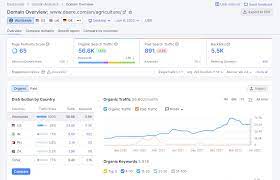
Regular SEO analysis is essential for monitoring the performance of a website and identifying areas that require attention. By analysing key metrics such as organic traffic, keyword rankings, bounce rate, and conversion rate, businesses can gain insights into the effectiveness of their SEO strategies and make data-driven decisions to improve performance.
In conclusion, SEO analysis is a fundamental aspect of digital marketing that helps businesses optimise their online presence and drive sustainable growth. By conducting comprehensive SEO analysis regularly and implementing actionable insights, businesses can stay ahead of the competition and achieve long-term success in the digital landscape.
9 Essential Tips for Effective SEO Analysis
- Perform keyword research to identify relevant search terms for your website.
- Analyse your website’s performance using tools like Google Analytics and Search Console.
- Monitor your website’s backlink profile and disavow toxic links if necessary.
- Optimise on-page elements such as title tags, meta descriptions, and headings for targeted keywords.
- Ensure your website loads quickly and is mobile-friendly for better user experience and SEO rankings.
- Create high-quality, engaging content that is valuable to your target audience.
- Regularly audit your website for technical SEO issues like broken links or duplicate content.
- Track your SEO progress over time and adjust strategies based on performance data.
- Stay updated with the latest SEO trends and algorithm changes to adapt your strategy accordingly.
Perform keyword research to identify relevant search terms for your website.
Performing keyword research is a fundamental step in SEO analysis that can significantly impact the visibility and success of a website. By identifying relevant search terms that potential customers are using to find products or services, businesses can tailor their website content to match these queries effectively. Understanding the language and phrases that resonate with the target audience not only improves search engine rankings but also helps attract qualified traffic to the site. Keyword research lays the foundation for a solid SEO strategy, guiding content creation, on-page optimisation, and overall digital marketing efforts towards achieving sustainable online growth.
Analyse your website’s performance using tools like Google Analytics and Search Console.
To enhance your SEO strategy effectively, it is crucial to analyse your website’s performance using tools such as Google Analytics and Search Console. These powerful tools provide valuable insights into key metrics like website traffic, user behaviour, keyword performance, and more. By leveraging the data gathered from Google Analytics and Search Console, you can identify areas for improvement, track the effectiveness of your SEO efforts, and make informed decisions to optimise your website for better search engine rankings and user experience. Regularly monitoring and analysing your website’s performance through these tools is essential for achieving sustainable growth and success in the competitive online landscape.
Monitor your website’s backlink profile and disavow toxic links if necessary.
Monitoring your website’s backlink profile is a critical aspect of SEO analysis. By keeping a close eye on the quality and quantity of backlinks pointing to your site, you can identify any toxic links that may be harming your search engine rankings. If necessary, it is important to disavow these toxic links to prevent them from negatively impacting your website’s credibility and authority. Regularly auditing and managing your backlink profile ensures that your site maintains a healthy link profile, which is essential for improving your search engine visibility and driving organic traffic to your website.
Optimise on-page elements such as title tags, meta descriptions, and headings for targeted keywords.
To enhance the effectiveness of SEO analysis, it is crucial to optimise on-page elements like title tags, meta descriptions, and headings for targeted keywords. By aligning these elements with relevant keywords that reflect the content of the webpage, businesses can improve their visibility on search engine results pages. Crafting compelling and keyword-rich title tags and meta descriptions not only helps search engines understand the content of the page but also entices users to click through to the website. Additionally, structuring headings with targeted keywords can further enhance the relevance and coherence of the content, making it more appealing to both search engines and potential visitors. Optimising these on-page elements is a strategic approach that can significantly boost a website’s search engine rankings and attract qualified organic traffic.
Ensure your website loads quickly and is mobile-friendly for better user experience and SEO rankings.
To enhance your website’s user experience and improve its SEO rankings, it is crucial to prioritise two key factors: fast loading speed and mobile-friendliness. Ensuring that your website loads quickly not only keeps visitors engaged but also signals search engines that your site provides a seamless user experience. Additionally, with the increasing use of mobile devices for web browsing, having a mobile-friendly website is essential for reaching a wider audience and boosting your SEO performance. By optimising your site for speed and mobile responsiveness, you can create a positive user experience, increase engagement, and ultimately improve your search engine rankings.
Create high-quality, engaging content that is valuable to your target audience.
Creating high-quality, engaging content that provides value to your target audience is a fundamental tip in SEO analysis. By developing content that is informative, relevant, and tailored to the needs of your audience, you not only enhance user experience but also increase the likelihood of attracting organic traffic to your website. Search engines favour websites that offer valuable content, so by focusing on creating content that resonates with your target audience, you can improve your site’s visibility and ranking in search engine results. Remember, quality content is key to building credibility, establishing authority in your industry, and ultimately driving conversions.
Regularly audit your website for technical SEO issues like broken links or duplicate content.
Regularly auditing your website for technical SEO issues, such as broken links or duplicate content, is a fundamental aspect of maintaining a healthy online presence. By conducting thorough checks and identifying and rectifying issues promptly, you can ensure that your website remains optimised for search engines. Broken links and duplicate content can negatively impact your site’s ranking on search engine results pages (SERPs) and hinder user experience. By addressing these technical SEO issues proactively, you can improve your website’s performance, enhance user satisfaction, and boost your overall visibility in the competitive digital landscape.
Track your SEO progress over time and adjust strategies based on performance data.
Tracking your SEO progress over time and adjusting strategies based on performance data is a fundamental tip in effective SEO analysis. By monitoring key metrics such as organic traffic, keyword rankings, and conversion rates, businesses can gain valuable insights into the effectiveness of their SEO efforts. This data-driven approach allows for informed decision-making, enabling businesses to identify what is working well and where improvements are needed. By regularly analysing performance data and adapting strategies accordingly, businesses can optimise their SEO efforts to achieve sustainable growth and stay ahead in the competitive digital landscape.
Stay updated with the latest SEO trends and algorithm changes to adapt your strategy accordingly.
Staying informed about the latest SEO trends and algorithm changes is crucial for maintaining a successful digital marketing strategy. By keeping abreast of industry developments, businesses can adapt their SEO analysis approach to align with current best practices and search engine requirements. This proactive approach not only helps in staying ahead of the competition but also ensures that the website remains relevant and visible to target audiences in an ever-evolving online landscape.