
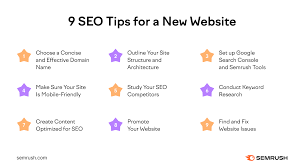
SEO Your Site: A Comprehensive Guide to Optimizing Your Website
Search Engine Optimization (SEO) is crucial for improving your website’s visibility and ranking on search engine results pages. By implementing SEO strategies effectively, you can drive organic traffic to your site and enhance your online presence. Here’s a comprehensive guide to help you SEO your site:
Keyword Research:
Start by conducting thorough keyword research to identify relevant keywords that your target audience is using to search for content related to your website. Use tools like Google Keyword Planner or SEMrush to discover high-volume keywords with low competition.
On-Page Optimization:
Optimize your website’s on-page elements, including title tags, meta descriptions, headings, and image alt text with your target keywords. Ensure that your content is well-structured, informative, and engaging for both users and search engines.
Quality Content:
Create high-quality, original content that provides value to your audience. Regularly update your website with fresh content that addresses the needs and interests of your target users. Use a mix of text, images, videos, and infographics to engage visitors.
Mobile-Friendly Design:
Ensure that your website is responsive and mobile-friendly to provide a seamless user experience across all devices. Google prioritizes mobile-friendly websites in its search rankings, so optimising for mobile is essential for SEO success.
Link Building:
Build a strong backlink profile by earning high-quality inbound links from reputable websites in your industry. Focus on acquiring natural backlinks through guest blogging, influencer partnerships, and creating shareable content that attracts links organically.
Technical SEO:
Optimize the technical aspects of your website, including site speed, URL structure, sitemaps, and schema markup. Fix any crawl errors and ensure that search engine bots can easily index and navigate your site for better visibility.
In conclusion, SEO is an ongoing process that requires dedication and continuous effort to achieve sustainable results. By following these guidelines and staying updated on the latest SEO trends and best practices, you can effectively optimise your site for search engines and improve its performance in organic search results.
Essential SEO FAQs: Enhancing Your Website’s Visibility and Performance
- What is SEO and why is it important for my website?
- How can I conduct keyword research for my website’s SEO?
- What are the key on-page optimization techniques for improving SEO?
- Why is quality content crucial for SEO success?
- How can I ensure that my website is mobile-friendly for better SEO performance?
- What strategies can I use to build a strong backlink profile for my site?
- What technical aspects of my website should I focus on to improve SEO?
- How often should I review and update my SEO strategy to stay effective?
What is SEO and why is it important for my website?
Search Engine Optimization (SEO) is the practice of enhancing your website’s visibility and ranking on search engine results pages. By implementing SEO strategies effectively, you can attract organic traffic to your site and improve its online presence. SEO involves various techniques such as keyword research, on-page optimization, quality content creation, link building, and technical optimizations. It is important for your website because it helps you reach a wider audience, increase brand awareness, drive targeted traffic, and ultimately boost your online business or presence. Without SEO, your website may struggle to compete in the crowded digital landscape and may miss out on valuable opportunities to connect with potential customers searching for products or services like yours.
How can I conduct keyword research for my website’s SEO?
To conduct keyword research for your website’s SEO, start by brainstorming relevant topics and terms related to your business or industry. Utilise keyword research tools like Google Keyword Planner, SEMrush, or Ahrefs to identify high-volume keywords with low competition. Consider long-tail keywords that are more specific and targeted to your niche audience. Analyse your competitors’ keywords and search queries to gain insights into what is driving traffic to their sites. Focus on selecting keywords that align with your content strategy and are likely to attract qualified traffic to your website. Regularly monitor and update your keyword list based on performance metrics and search trends to stay ahead in the competitive digital landscape.
What are the key on-page optimization techniques for improving SEO?
When it comes to enhancing SEO through on-page optimization, several key techniques play a significant role in boosting a website’s visibility and search engine ranking. Firstly, focusing on strategic keyword placement within title tags, meta descriptions, headings, and content is essential for signalling relevance to search engines. Additionally, ensuring that the website’s structure is user-friendly and easy to navigate can positively impact SEO performance. Optimizing images with descriptive alt text, creating engaging and informative content, and utilising internal linking to establish a cohesive site architecture are also crucial on-page tactics for improving SEO. By implementing these techniques effectively, website owners can enhance their online presence and attract organic traffic from search engines.
Why is quality content crucial for SEO success?
Quality content is paramount for SEO success as it serves as the foundation upon which a website’s visibility and ranking on search engine results pages are built. Search engines like Google prioritise content that is informative, relevant, and engaging for users. High-quality content not only attracts organic traffic but also encourages backlinks from other reputable sites, which in turn boosts the site’s authority and credibility. By creating valuable content that addresses the needs and interests of the target audience, websites can enhance user experience, increase dwell time, and ultimately improve their SEO performance. In essence, quality content is a key driver of organic search visibility and plays a crucial role in establishing a strong online presence.
How can I ensure that my website is mobile-friendly for better SEO performance?
Ensuring that your website is mobile-friendly is essential for enhancing its SEO performance. To achieve this, you can employ responsive web design principles to ensure that your site adapts seamlessly to various screen sizes and devices. Prioritize mobile usability by optimizing page loading speed, simplifying navigation, and using legible fonts and appropriate button sizes. Test your website on different mobile devices and utilise Google’s Mobile-Friendly Test tool to identify any issues that need addressing. By focusing on mobile-friendliness, you can improve user experience, reduce bounce rates, and ultimately boost your site’s visibility and ranking in search engine results pages.
What strategies can I use to build a strong backlink profile for my site?
Building a strong backlink profile is essential for enhancing your site’s authority and visibility in search engine results. To achieve this, you can implement various strategies such as creating high-quality content that naturally attracts backlinks from reputable websites in your industry. Engaging in guest blogging on relevant platforms, collaborating with influencers for content promotion, and participating in industry forums or communities to share valuable insights can also help in acquiring quality backlinks. Additionally, leveraging social media channels to share your content and encourage link sharing, as well as monitoring and disavowing toxic links that may harm your site’s reputation, are crucial steps towards building a robust backlink profile that boosts your site’s SEO performance.
What technical aspects of my website should I focus on to improve SEO?
When considering the technical aspects of your website to enhance SEO, several key areas deserve your attention. Firstly, focus on optimizing site speed to ensure quick loading times, as page speed is a crucial ranking factor for search engines. Additionally, pay attention to your website’s URL structure, ensuring it is clean, logical, and includes relevant keywords. Implementing proper schema markup can also help search engines better understand your content and improve visibility in search results. Lastly, regularly check for and fix any crawl errors, create XML sitemaps for easy indexing, and ensure that your website is mobile-friendly for a seamless user experience across devices. By addressing these technical elements effectively, you can boost your website’s SEO performance and enhance its visibility online.
How often should I review and update my SEO strategy to stay effective?
To ensure the effectiveness of your SEO strategy, it is recommended to review and update it regularly. The frequency of these reviews can vary depending on factors such as changes in search engine algorithms, industry trends, and the competitiveness of your market. As a general guideline, it is advisable to conduct a comprehensive review of your SEO strategy at least every six months to a year. This allows you to identify any areas that may need improvement, adjust your tactics based on performance data, and stay ahead of the curve in the ever-evolving landscape of search engine optimisation. By staying proactive and keeping your SEO strategy up-to-date, you can maximise your website’s visibility and maintain a strong online presence.