
Search Engine Optimisation (SEO) Companies: What They Do and How to Choose One
Search engine optimisation (SEO) can help a business become easier to find online. By improving a website’s visibility in organic search results, SEO can attract relevant visitors, support brand awareness and contribute to long-term growth. For many organisations, working with an SEO company is a practical way to access specialist skills and consistent support.
However, SEO companies vary in their services, approach and experience. Understanding what they do—and what to look for when choosing one—can help you find a partner suited to your business.
What does an SEO company do?
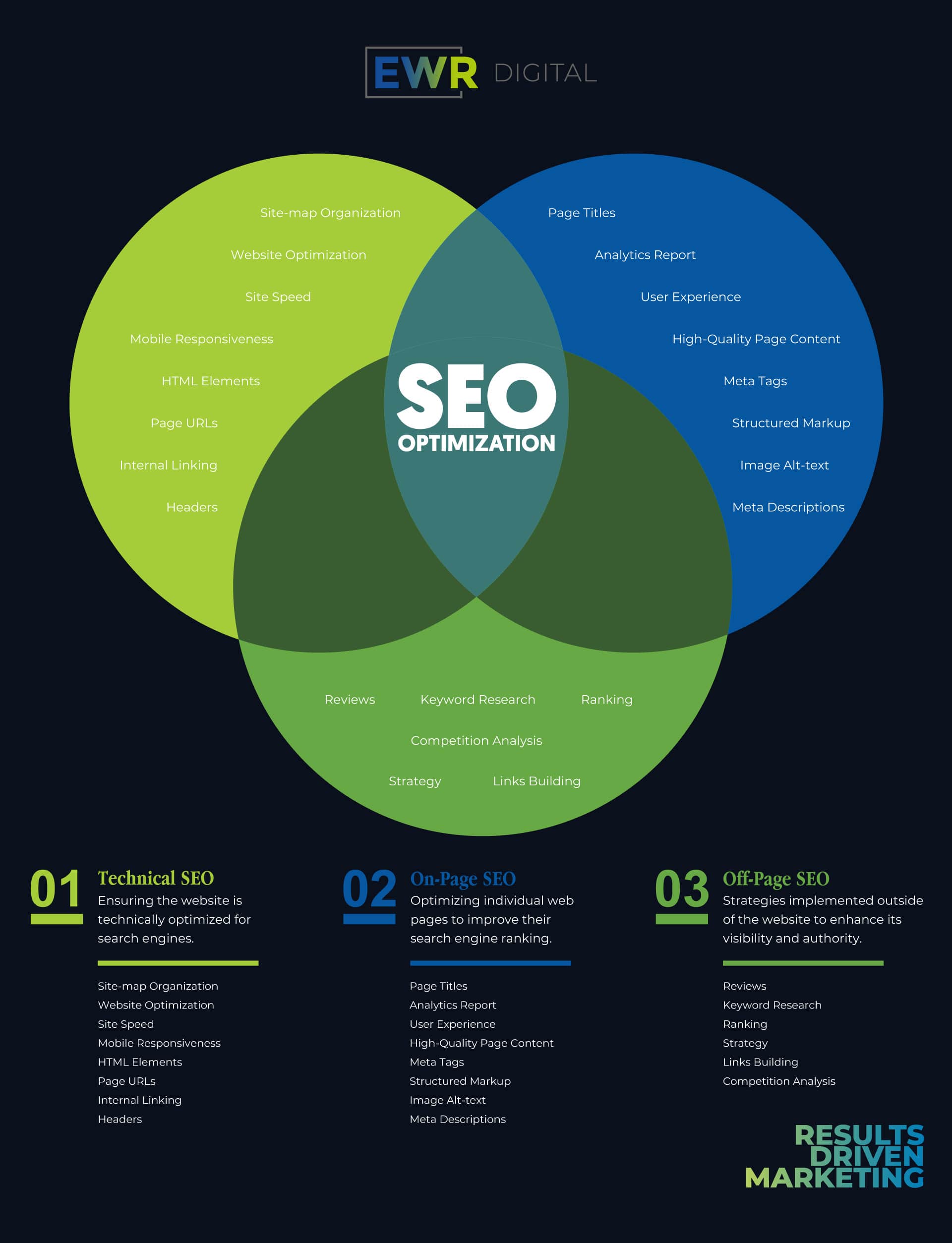
An SEO company helps improve a website’s ability to appear in search results for relevant queries. Its work may involve technical improvements, content planning, keyword research and building the site’s authority. The exact mix depends on the website, the market and the organisation’s objectives.
SEO is not a one-off fix. Search engines regularly update how they assess and present websites, while competitors and customer needs change too. A reputable company will usually begin by assessing the current situation, agreeing priorities and measuring progress over time.
Common SEO services
- SEO audits: Reviewing a website to identify technical issues, content gaps and opportunities to improve visibility.
- Keyword research: Exploring the words and phrases people use when searching for relevant products, services or information.
- Technical SEO: Helping search engines access, understand and index a website. This can include reviewing site structure, mobile usability, page speed and indexing settings.
- On-page optimisation: Improving elements such as page titles, headings, internal links and page content so they better serve visitors and match search intent.
- Content strategy: Planning useful, accurate content that answers customers’ questions and supports the organisation’s wider aims.
- Local SEO: Improving visibility for location-based searches, including the management of business information across relevant directories and platforms.
- Digital PR and link earning: Helping a business earn relevant coverage and links by developing useful resources, research or stories.
- Reporting and analysis: Tracking agreed measures, explaining results and identifying what to do next.
How SEO can benefit a business
Strong SEO can make it easier for potential customers to discover a business at the point they are looking for information or solutions. Unlike paid advertising, organic search visibility does not usually involve paying for every click. However, SEO still requires investment in expertise, content and ongoing improvements, and results are not guaranteed.
SEO can also improve the experience of using a website. Clear navigation, helpful content and fast, mobile-friendly pages can benefit visitors as well as support search performance. The most useful outcomes are not simply higher rankings, but relevant traffic that contributes to meaningful business goals.
How to choose an SEO company
Start with your objectives
Be clear about what you want SEO to achieve. You may want to increase enquiries, grow online sales, reach customers in a particular area or improve the visibility of a specific section of your website. Clear objectives make it easier to assess a company’s proposal and measure whether the work is helping.
Look for a clear, realistic approach
A good SEO company should be able to explain its recommendations in straightforward language. Ask how it plans to assess your website, set priorities and report on progress. Be cautious of anyone promising a specific ranking or instant results: no agency can control search engine algorithms or guarantee a particular position.
Check relevant experience
Ask about experience with businesses of a similar size, in comparable industries or with similar challenges. Case studies can be useful, but look for context: what work was carried out, over what period and how success was measured? Results from another business cannot automatically be expected in yours.
Understand what is included
Before agreeing to work together, clarify the scope, fees, deliverables and responsibilities. Find out who will make changes to the website, who owns any content or assets produced, and whether the company will work with your internal team or other suppliers.
Ask about communication and reporting
Regular reporting should explain more than rankings. It should connect activity to your objectives and help you understand what has changed, what the results mean and what is planned next. Agree how often you will meet and who your day-to-day contact will be.
Warning signs to watch for
Take care if a provider:
- Guarantees top rankings or a precise amount of traffic.
- Uses vague explanations or refuses to describe its methods.
- Promotes large quantities of low-quality links or content as a shortcut.
- Pressures you into a long contract without clearly explaining the terms.
- Focuses only on rankings, without discussing visitors, leads, sales or other business outcomes.
- Claims to have a special relationship with a search engine.
These practices may put a website’s reputation or performance at risk. Sustainable SEO focuses on helping people find useful, trustworthy pages and making the website easier to use.
How long does SEO take?
SEO is generally a long-term activity. The time needed to see meaningful change depends on factors such as the website’s starting point, the competitiveness of the market, the scale of the work and how quickly changes can be implemented. Some improvements may have an effect sooner than others, but lasting progress usually takes time and consistent effort.
An SEO company should set expectations based on your circumstances rather than offer a universal timeline. It should also explain how progress will be reviewed and when the strategy may need to change.
Working effectively with an SEO company
The best results often come from a collaborative relationship. Share information about your customers, products, priorities and seasonal patterns. Give the SEO team access to relevant website and analytics tools, and involve the people responsible for approving content or implementing technical changes.
SEO recommendations may need input from developers, writers, designers or senior decision-makers. Agreeing responsibilities early can prevent delays and help ensure that strategy turns into action.
Final thoughts
An SEO company can provide valuable expertise, but choosing the right partner requires more than comparing prices or promises. Look for a clear strategy, relevant experience, honest communication and a focus on outcomes that matter to your business. With realistic expectations and regular collaboration, SEO can become a lasting part of your organisation’s digital growth.
Understanding SEO Companies: Key FAQs on Services, Costs, and Expectations
- What does an SEO company do?
- How much does it cost to hire an SEO company in the UK?
- How long does it take for an SEO company to deliver results?
- How do I choose the right SEO company for my business?
- Can an SEO company guarantee top rankings on Google?
- What should I expect from an SEO company’s reports and communication?
What does an SEO company do?
An SEO company helps improve your website’s visibility in organic search results, making it easier for potential customers to find your business. Its work may include researching relevant keywords, improving website content and technical performance, strengthening local search listings, and tracking results. The specific services depend on your goals, but a reputable company will explain its recommendations clearly and focus on attracting relevant visitors rather than promising instant rankings.
How much does it cost to hire an SEO company in the UK?
The cost of hiring an SEO company in the UK varies depending on your goals, the size and condition of your website, the competitiveness of your market and the level of support required. Some agencies charge a monthly retainer, while others offer one-off audits, fixed-scope projects or hourly consultancy. Ask for a clear breakdown of the work, fees and reporting before signing, and be wary of unusually cheap offers or guarantees of instant rankings. The right choice is an SEO service that fits your budget and can explain how its work supports your business objectives.
How long does it take for an SEO company to deliver results?
An SEO company may need several months to deliver noticeable results, although the timescale depends on your website’s starting point, the competitiveness of your market, the work required and how quickly changes can be implemented. Some improvements may show benefits sooner, while stronger, lasting gains in visibility and relevant traffic typically take ongoing effort. A reputable company will set realistic expectations, track progress against agreed goals and explain how its strategy may change as results develop.
How do I choose the right SEO company for my business?
Choose an SEO company by starting with your business goals, whether that’s attracting more local customers, increasing online sales or generating enquiries. Look for relevant experience, a clear strategy and straightforward reporting, and ask how the company will measure progress. A trustworthy provider will explain its recommendations, set realistic expectations and tailor its work to your needs rather than promise guaranteed rankings or overnight results. Before signing, check what’s included in the fees, who will carry out the work and how you’ll communicate.
Can an SEO company guarantee top rankings on Google?
No reputable SEO company can guarantee top rankings on Google. Search results are influenced by many factors, including Google’s algorithms, competitors and changes in user behaviour—none of which an agency can fully control. A trustworthy SEO company can explain its strategy, set realistic expectations and work to improve your website’s visibility over time, but it should never promise a specific position or guaranteed results.
What should I expect from an SEO company’s reports and communication?
An SEO company’s reports should clearly explain the work completed, progress towards agreed goals and what is planned next. Look for meaningful measures—such as relevant organic traffic, enquiries or sales—alongside ranking data, with context to show what the figures mean for your business. Communication should be regular and straightforward, giving you a chance to ask questions, discuss changes and flag priorities. A good company will be transparent about setbacks as well as successes, and will explain recommendations without relying on jargon or making unrealistic promises.