
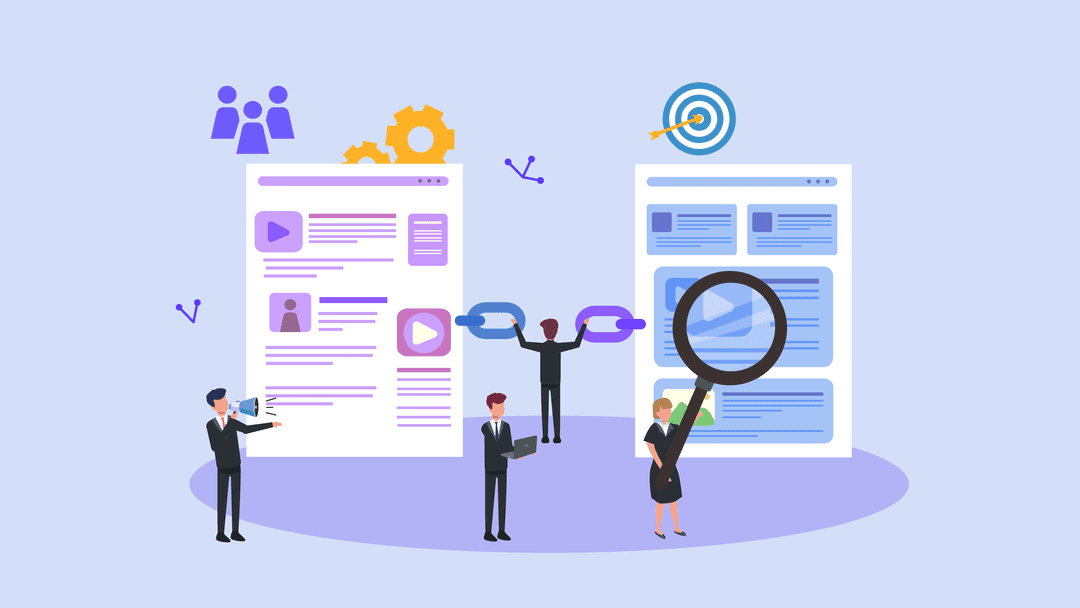
SEO Link-Building Strategy: A Practical Guide
A strong link-building strategy can help search engines discover your website, understand its relevance and assess its authority. But earning links is not about collecting as many as possible. The most sustainable approach is to attract relevant, trustworthy links by publishing useful content and building genuine relationships.
This guide explains how to plan and carry out an ethical link-building strategy that supports your wider SEO goals.
What is link building?
Link building is the process of earning links from other websites to pages on your own site. These links are often called backlinks. Search engines may use them as one of many signals when assessing pages, although a link’s value depends on factors such as its relevance, context and the credibility of the linking site.
Not every backlink is beneficial. Links created solely to manipulate search rankings can breach search engine spam policies and may put your website at risk. Focus on earning links that make sense for readers, rather than pursuing volume for its own sake.
Set clear objectives
Begin by deciding what you want link building to achieve. Your objectives might include:
- Increasing the visibility of important service or product pages
- Building your reputation within a particular industry
- Helping people discover original research, tools or resources
- Attracting relevant referral traffic
- Strengthening the overall authority of your website
Choose goals that support your business, not just SEO metrics. A link from a respected publication that sends interested visitors may be more useful than many links from unrelated sites.
Identify the pages worth promoting
Before contacting anyone, review your website and choose pages that offer a clear reason to link. These could include:
- Original surveys, research or industry data
- Detailed guides that answer common questions
- Useful calculators, templates or other free tools
- Expert commentary or practical advice
- Well-organised resource pages
Make sure the content is accurate, easy to navigate and genuinely useful. Outreach is unlikely to succeed if the page does not offer something valuable to its intended audience.
Find relevant link opportunities
Look for websites and organisations whose audiences would have a genuine reason to find your content useful. Possible opportunities include trade publications, professional associations, local organisations, specialist blogs, suppliers and complementary businesses.
Research each prospect before getting in touch. Check that the site is relevant, maintained and intended for real readers. A long list of unrelated websites is rarely a good foundation for an effective campaign.
Use proven, reader-focused tactics
Digital PR
Share original research, useful data or expert commentary with journalists and publishers. A clear finding, timely insight or well-supported point of view can give them a reason to cite your work. Make the source material easy to verify and provide concise, relevant information.
Expert contributions
Offer informed commentary or contribute genuinely useful articles to relevant publications. The contribution should suit the publication’s audience and editorial standards. Avoid producing generic guest posts simply to place keyword-rich links.
Resource outreach
If you have created a particularly useful guide or tool, contact organisations that maintain resource pages on the same subject. Explain briefly why the resource may help their readers. Do not assume that a link is owed or send repeated, impersonal messages.
Unlinked brand mentions
Sometimes a website mentions your business, research or product without linking to it. Where appropriate, you can politely ask whether the publisher would consider adding a link so readers can find the source. Treat this as a request, not an entitlement.
Broken-link opportunities
Some websites link to pages that are no longer available. If you have a suitable replacement resource, let the site owner know about the broken link and explain why your page may be a useful alternative. The replacement should closely match the original topic.
Make outreach personal and useful
A good outreach message is brief, specific and respectful. Explain who you are, why you are contacting that person and how the resource may benefit their audience. Refer to something relevant on their website so it is clear the message was written for them.
Avoid mass emails, misleading subject lines and repeated follow-ups. If someone declines or does not respond, respect their decision. Building professional relationships takes time and should not rely on pressure.
Review your backlink profile
Use SEO tools and search engine reporting platforms to monitor links pointing to your website. Review which pages attract links, where referral visitors come from and whether your content is being cited in relevant contexts.
Do not panic over every unfamiliar or low-quality link. The appearance of a link does not automatically mean your site has done anything wrong. Investigate patterns that may indicate deliberate manipulation, and follow current search engine guidance before taking action.
Measure what matters
Assess link-building performance using a mix of indicators, such as:
- The relevance and editorial quality of links earned
- Referral visits and engagement from linking websites
- Visibility of the pages you are promoting
- Growth in mentions, citations or enquiries
- Progress towards wider business and marketing goals
Rankings can change for many reasons, so avoid attributing every movement to a single backlink. Review performance over time and consider link building alongside technical SEO, content quality and user experience.
Common link-building mistakes
- Buying links intended to influence rankings
- Automating large volumes of low-quality outreach
- Using irrelevant websites or link networks
- Insisting on exact-match keyword anchor text
- Creating content purely as an excuse to gain a link
- Measuring success only by the number of backlinks
These approaches can waste resources and may conflict with search engine spam policies. A sound strategy prioritises relevance, editorial judgement and real value to readers.
Build links by building value
Effective SEO link building is a long-term activity. Create content worth citing, identify people and organisations with a genuine connection to your subject, and make thoughtful, well-targeted approaches. By focusing on useful resources and authentic relationships, you can earn links that support your visibility while also helping the people who encounter them.
Essential FAQs on Crafting an Effective SEO Link-Building Strategy
- What is an SEO link-building strategy?
- Why is link building important for SEO?
- How do I create an effective link-building strategy?
- What types of backlinks are most valuable?
- How can I earn high-quality backlinks to my website?
- Is buying backlinks safe for SEO?
- How long does link building take to improve rankings?
- How can I measure the success of a link-building campaign?
What is an SEO link-building strategy?
An SEO link-building strategy is a planned approach to earning links from relevant, trustworthy websites to your own. It may include creating useful content, building relationships with publishers and industry organisations, and sharing expert insights. The aim is to help people discover your site and support its search visibility by prioritising genuine, editorially earned links over sheer quantity.
Why is link building important for SEO?
Link building is important for SEO because relevant, trustworthy links can help search engines discover your pages and understand their credibility and relevance. They can also bring referral visitors and strengthen your reputation within your industry. Quality matters more than quantity: links should be earned naturally from reputable, relevant websites, rather than created to manipulate rankings.
How do I create an effective link-building strategy?
To create an effective link-building strategy, start by setting clear goals and identifying the pages you want to promote. Create useful, credible content that others will want to reference, then research relevant websites, publications and organisations whose audiences may benefit from it. Build relationships through personalised, respectful outreach and focus on earning editorial links rather than buying links or using automated schemes. Track the relevance and quality of links, referral traffic and progress towards your wider SEO goals, and refine your approach over time.
What types of backlinks are most valuable?
The most valuable backlinks are relevant, editorially earned links from trusted websites that reach an audience related to your business. For example, a link from a respected industry publication, professional association or specialist resource may carry more value than one from an unrelated site. Links should appear naturally within useful content and help readers explore a topic further. Focus on the quality, relevance and context of backlinks rather than the number you acquire, and avoid buying links or using schemes designed to manipulate search rankings.
How can I earn high-quality backlinks to my website?
Earn high-quality backlinks by creating genuinely useful content—such as original research, expert guides or practical tools—that relevant websites will want to reference. Build relationships with journalists, industry publications and complementary businesses, and share suitable resources through personalised, respectful outreach. You can also contribute expert commentary, seek links for unlinked brand mentions and replace broken links with a relevant resource of your own. Prioritise relevance and editorial quality over the number of links, and avoid buying links or using tactics designed to manipulate search rankings.
Is buying backlinks safe for SEO?
Buying backlinks is generally not a safe SEO strategy. Links purchased to manipulate search rankings may breach search engine spam policies and can lead to ranking losses or other penalties. Paid advertising and sponsorships can be legitimate, but links should be clearly disclosed and appropriately marked with attributes such as rel="sponsored". A safer long-term approach is to earn relevant links through useful content, genuine partnerships and digital PR.
How long does link building take to improve rankings?
Link building can take several weeks or months to influence rankings, as search engines need time to discover and assess new links. The timeframe varies depending on factors such as your website’s existing authority, the quality and relevance of the links, competition for your target keywords and the strength of your content. There is no guaranteed timeline, so treat link building as a long-term part of your SEO strategy and track progress alongside other indicators, such as organic traffic and enquiries.
How can I measure the success of a link-building campaign?
Measure a link-building campaign by looking beyond the number of links earned. Assess the relevance and editorial quality of new links, the growth in unique referring websites, and whether they bring engaged referral traffic. Track changes in the visibility and organic performance of the pages you are promoting, as well as meaningful outcomes such as enquiries, sign-ups or sales. Compare results with a clear starting point over time, and remember that rankings can be affected by many factors, so avoid crediting every change to link building alone.