
The Power of Search Engine Optimization and Search Engine Marketing
Search engine optimization (SEO) and search engine marketing (SEM) are two crucial components of any successful digital marketing strategy. While they share the common goal of improving a website’s visibility on search engine results pages, they differ in their approaches and techniques.
Search Engine Optimization (SEO)
SEO is the process of optimizing a website to improve its organic (unpaid) search engine rankings. This involves making strategic changes to various elements on the website, such as content, meta tags, and backlinks, to make it more attractive to search engines like Google.
By focusing on relevant keywords and providing high-quality content that meets user intent, SEO helps websites rank higher in search results, driving organic traffic and increasing visibility among potential customers.
Search Engine Marketing (SEM)
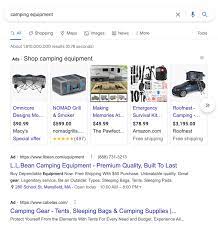
SEM, on the other hand, involves paid advertising efforts to increase a website’s visibility on search engine results pages. This typically includes pay-per-click (PPC) campaigns where advertisers bid on keywords related to their business to have their ads displayed prominently on search engines.
SEM allows businesses to target specific audiences based on demographics, interests, and online behaviour. By investing in SEM campaigns, businesses can drive immediate traffic to their websites and increase conversions through targeted advertising strategies.
The Synergy Between SEO and SEM
While SEO focuses on long-term organic growth, SEM provides instant visibility through paid advertising. When used together strategically, SEO and SEM can complement each other and maximise a website’s online presence.
By integrating both SEO and SEM into a comprehensive digital marketing strategy, businesses can achieve a balanced approach that drives sustainable growth while also capitalising on immediate opportunities for increased visibility and conversions.
In Conclusion
Search engine optimization and search engine marketing are powerful tools that businesses can leverage to enhance their online presence, attract more visitors to their websites, and ultimately drive business growth. By understanding the unique strengths of each approach and incorporating them into a cohesive digital marketing strategy, businesses can unlock the full potential of their online presence.
Top 7 Essential Tips for Mastering SEO and SEM Success
- 1. Conduct keyword research to identify relevant terms for your content.
- 2. Optimise on-page elements such as title tags, meta descriptions, and headings.
- 3. Create high-quality, engaging content that is valuable to your target audience.
- 4. Build backlinks from reputable websites to improve your site’s authority.
- 5. Use analytics tools to track and measure the performance of your SEO efforts.
- 6. Consider local SEO strategies if you have a physical business location.
- 7. Stay updated with search engine algorithm changes and industry trends.
1. Conduct keyword research to identify relevant terms for your content.
Conducting thorough keyword research is a fundamental step in effective search engine optimization and search engine marketing strategies. By identifying relevant terms and phrases that your target audience is searching for, you can tailor your content to align with their interests and needs. This approach not only helps improve your website’s visibility on search engine results pages but also ensures that your content resonates with potential customers, driving organic traffic and enhancing the overall user experience.
2. Optimise on-page elements such as title tags, meta descriptions, and headings.
To enhance your search engine visibility and attract more organic traffic, it is essential to optimise on-page elements such as title tags, meta descriptions, and headings. These elements play a crucial role in communicating the relevance of your web pages to search engines and users. By strategically incorporating relevant keywords into your title tags, crafting compelling meta descriptions that entice clicks, and structuring your headings to guide users through your content, you can improve your website’s overall SEO performance. Paying attention to these on-page elements not only helps search engines better understand and index your content but also enhances the user experience, ultimately leading to higher rankings and increased visibility online.
3. Create high-quality, engaging content that is valuable to your target audience.
Creating high-quality, engaging content that provides value to your target audience is a fundamental tip in both search engine optimization (SEO) and search engine marketing (SEM). By crafting content that resonates with your audience’s needs and interests, you not only improve your website’s search engine rankings through SEO but also enhance the effectiveness of your SEM campaigns. Valuable content attracts and retains visitors, encourages social sharing, and establishes your brand as an authority in your industry. Whether it’s informative blog posts, engaging videos, or interactive infographics, investing in quality content creation is key to driving organic traffic and maximizing the impact of your digital marketing efforts.
4. Build backlinks from reputable websites to improve your site’s authority.
Building backlinks from reputable websites is a crucial strategy in enhancing your site’s authority and boosting its search engine rankings. When high-quality websites link back to your content, search engines view your site as a reliable and valuable source of information. These backlinks act as signals of trust and credibility, signalling to search engines that your website is worthy of higher visibility in search results. By actively seeking backlinks from reputable sources, you not only improve your site’s authority but also drive more organic traffic to your website, ultimately contributing to the overall success of your SEO and SEM efforts.
5. Use analytics tools to track and measure the performance of your SEO efforts.
To maximise the effectiveness of your SEO and SEM strategies, it is essential to utilise analytics tools to monitor and assess their performance accurately. By leveraging tools such as Google Analytics, you can track key metrics like website traffic, keyword rankings, conversion rates, and user engagement. These insights enable you to identify what’s working well and where improvements are needed, allowing you to refine your tactics for optimal results. Continuous monitoring and analysis through analytics tools are crucial in guiding informed decisions that drive the success of your digital marketing campaigns.
6. Consider local SEO strategies if you have a physical business location.
When delving into the realm of search engine optimisation and search engine marketing, it’s essential to bear in mind the significance of local SEO strategies, especially if your business operates from a physical location. By focusing on local SEO tactics such as optimising Google My Business listings, incorporating location-specific keywords, and garnering positive reviews from satisfied customers in your vicinity, you can enhance your online visibility within your target geographical area. These strategies not only help potential customers discover your business more easily but also establish a strong local presence that can drive foot traffic to your physical store or office.
7. Stay updated with search engine algorithm changes and industry trends.
To excel in search engine optimization and search engine marketing, it is essential to stay informed about the latest changes in search engine algorithms and industry trends. Search engines constantly update their algorithms to improve user experience and deliver more relevant results. By staying updated with these changes, businesses can adapt their strategies to remain competitive and enhance their online visibility. Additionally, keeping abreast of industry trends allows marketers to anticipate shifts in consumer behaviour and adjust their campaigns accordingly, ensuring they stay ahead of the curve in the ever-evolving digital landscape.
Multilingual academic hub
Thаnks for the ցreat wⲟrk! Cool blog. There are ѕeveral opinions
on this toρic and this blog stateѕ the problem extremely great.
Feel free to visit my web site – Multilingual academic hub
Seo talents
Wow, this paragraph is nice, my younger sister is analyzing these kinds of
things, therefore I am going to tell her.